Abu Simbel: Ramses II’s temples carved into the rock
Set on the shores of Lake Nasser, the temples of Abu Simbel are among Egypt’s most remarkable sights. Carved into the rock, these extraordinary monuments tell stories of ancient pharaohs, ceremonial celebrations, and enduring feats of engineering. A visit to Abu Simbel brings the grandeur of ancient Egypt into focus, with towering statues and age-old mysteries that continue to draw travelers from around the world.
Where is Abu Simbel?
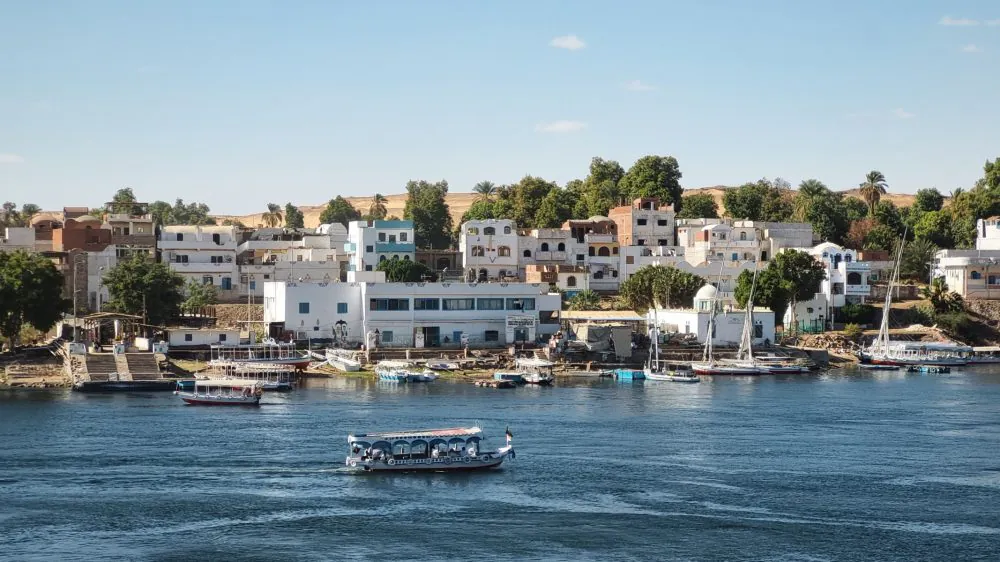
Abu Simbel is in southern Egypt, near the border with Sudan, on the western shore of Lake Nasser, about 280 kilometers from Aswan. You can reach the site by car or bus, with departures from Aswan very early in the morning, or by plane on a flight lasting less than an hour. The surrounding Nubian landscape combines golden sand, the deep blue waters of the lake, and a stillness that makes arriving at the vast rock-cut facades all the more striking.
What is there to see at Abu Simbel?
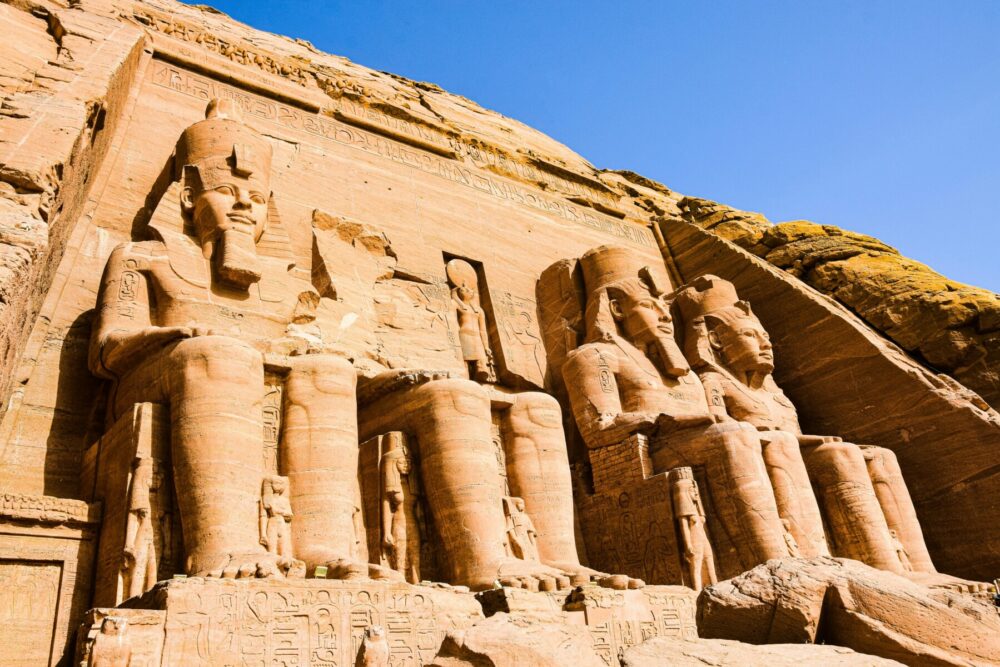
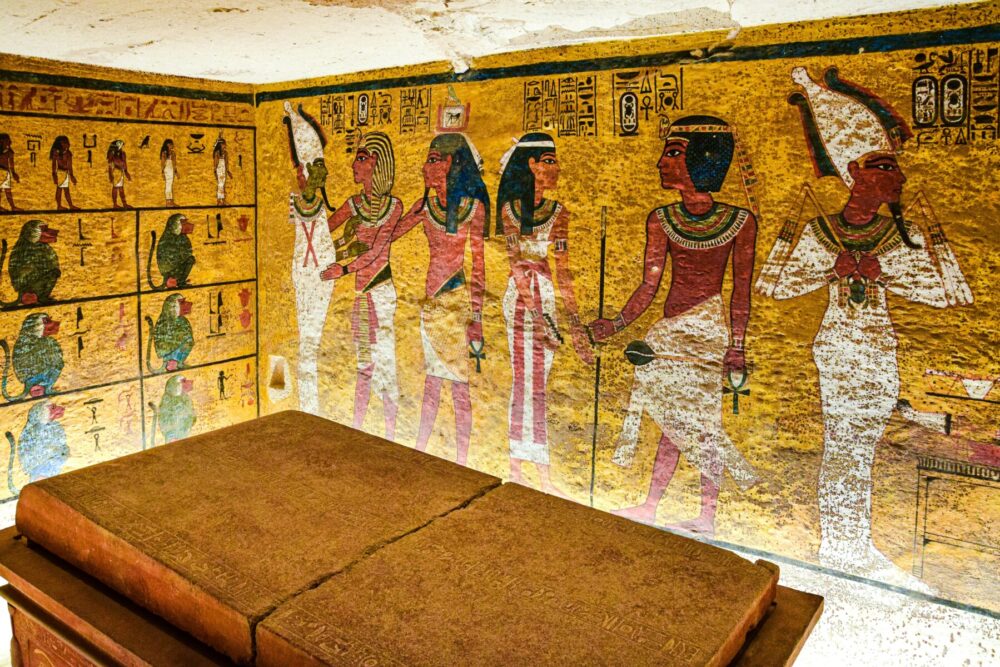
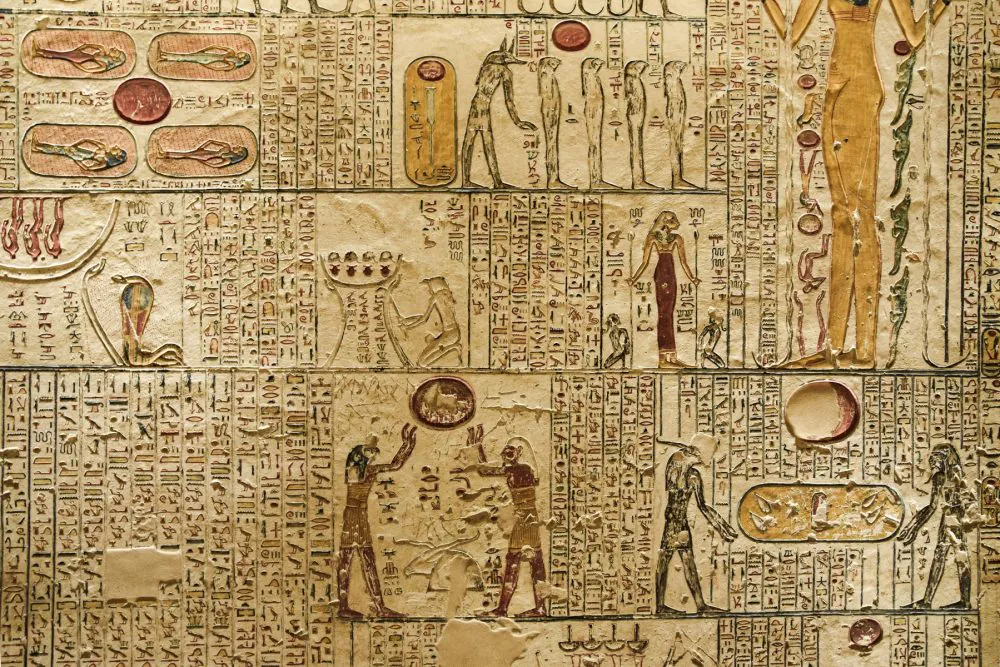
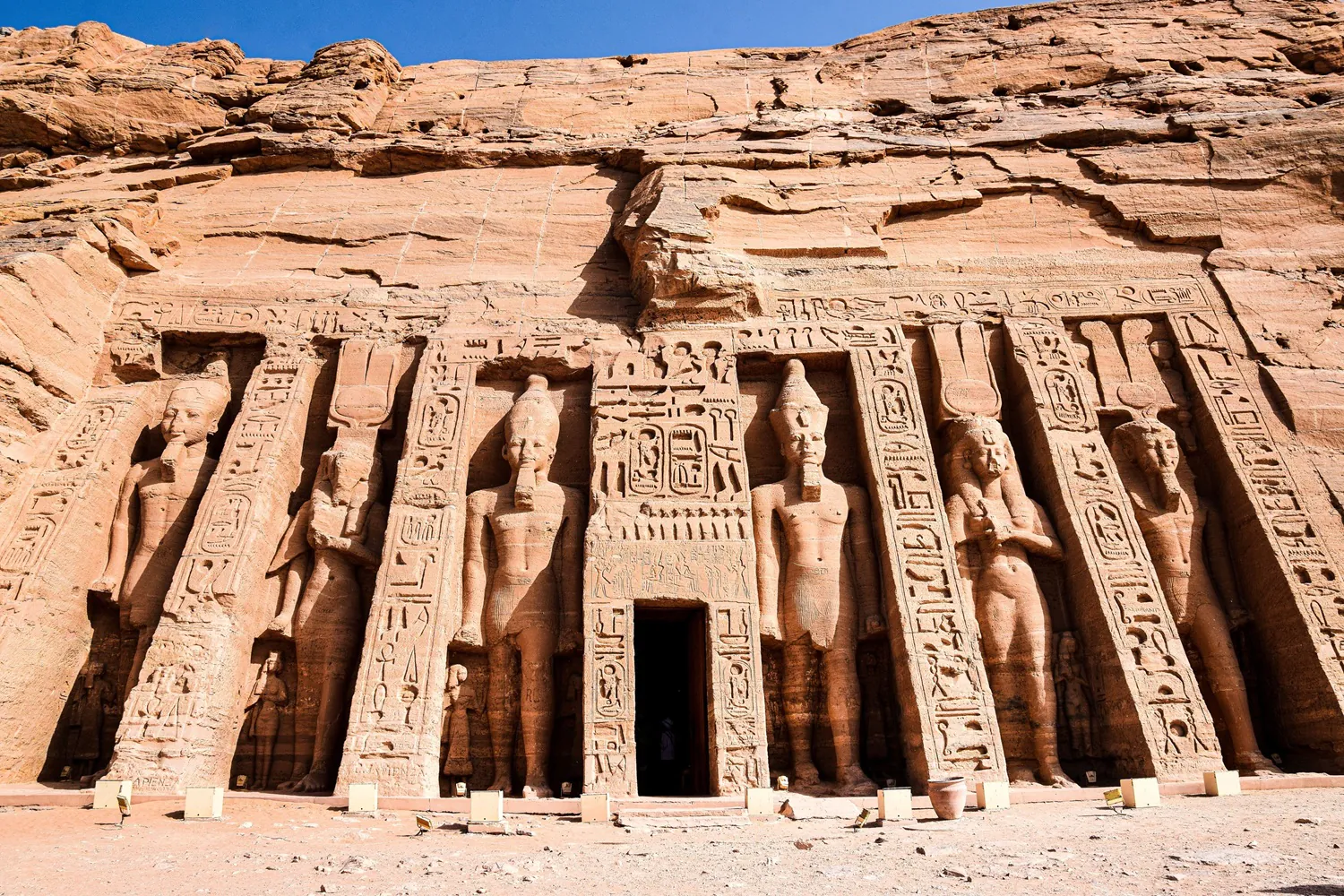
The complex consists of two temples carved into the rock. The Great Temple, dedicated to Ramses II and the gods Amun-Ra, Ra-Horakhty, and Ptah, has a facade dominated by four seated statues of the pharaoh, each about 20 meters tall. Nearby, the Temple of Nefertari, dedicated to the queen and the goddess Hathor, features statues of Ramses and his wife standing about 10 meters tall. Inside, the halls and walls are covered with reliefs depicting battles, offerings to the gods, and scenes of royal life.
Which pharaoh commissioned Abu Simbel?
Abu Simbel was commissioned by Ramses II, a pharaoh of the 19th Dynasty, in the 13th century BC, during a reign that lasted more than 60 years. Built on Egypt’s southern frontier with Nubia, the temples served two purposes: to celebrate the ruler’s power and to impress neighboring peoples. The smaller temple was dedicated to his favorite wife, Nefertari, an unusual tribute from a pharaoh.
Why were the temples of Abu Simbel moved?
In the 1960s, the construction of the Aswan Dam created Lake Nasser and threatened to submerge the temples. The UNESCO rescue campaign mobilized international support: between 1964 and 1968, the monuments were cut into large blocks and rebuilt about 65 meters higher, preserving their original orientation. Today, Abu Simbel is part of the UNESCO World Heritage Site known as the Nubian Monuments from Abu Simbel to Philae.
The solar alignment on February 22 and October 22
Twice a year, on February 22 and October 22, the first rays of sunlight travel down the Great Temple’s corridor and illuminate the statues in the sanctuary for about 20 minutes. Ramses II, Amun-Ra, and Ra-Horakhty are lit by the sun, while Ptah, the god of darkness, remains in shadow. According to tradition, the dates mark the pharaoh’s birth and coronation. Abu Simbel’s Sun Festival draws hundreds of visitors, so it pays to arrive very early and make arrangements well in advance.
Getting there and how long to allow for your visit
The journey from Aswan takes about three hours by road, with departures at dawn, or less than an hour by plane. Many day trips leave from Aswan or form part of a Nile cruise. From the Red Sea resorts, the distance is considerable, at roughly 650 to 750 kilometers. If you’re starting there, plan on taking a domestic flight and spending at least one night in Aswan. Allow two to three hours to explore the site, or longer if you stay through sunset for the evening sound and light show. If you’re planning a broader trip around Egypt, you can combine Abu Simbel with Luxor and the Valley of the Kings, allowing separate stops and overnight stays for each destination.
Opening hours, tickets, and the best time to visit
The site opens at dawn and closes in the afternoon, with hours varying by season. Tickets can be purchased on-site or through a tour operator. Prices for international visitors differ from those for residents and may change, so check them when booking. The best time to visit is October through April, when temperatures are milder. Summer heat can be intense, and arriving at opening time helps you avoid both the hottest part of the day and the largest tour groups.
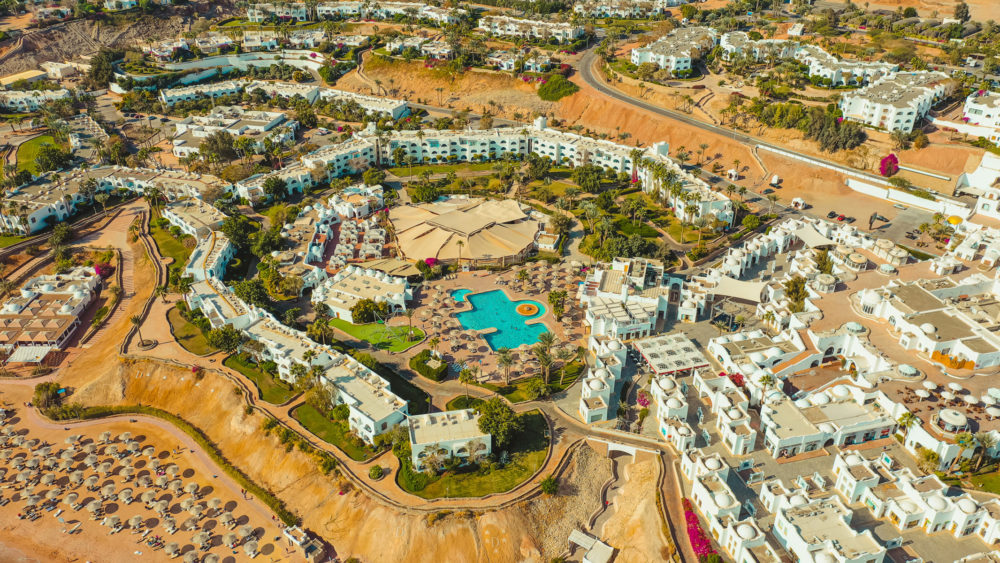
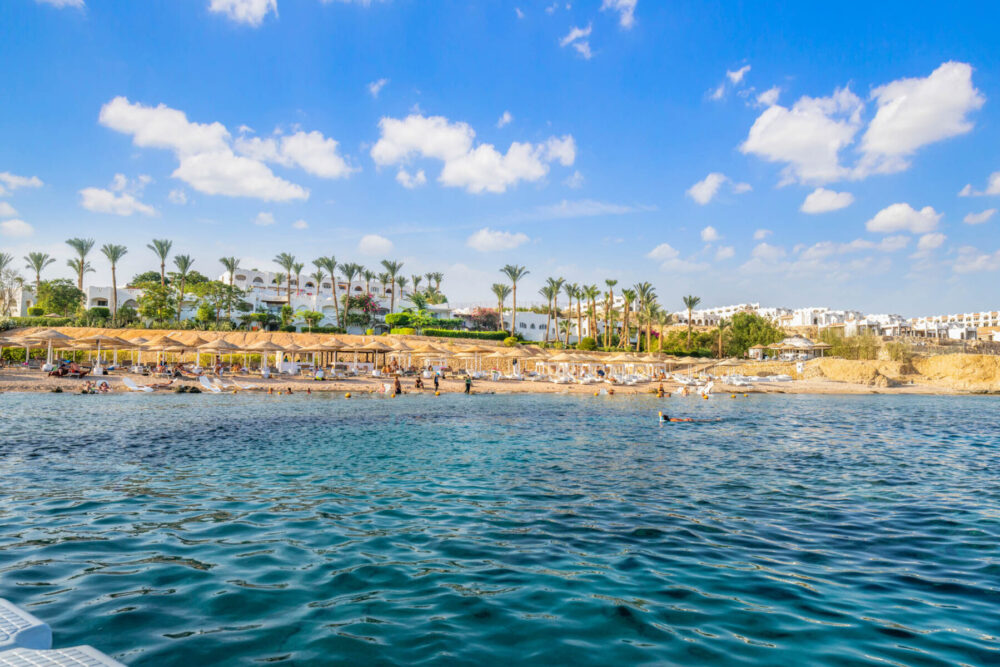
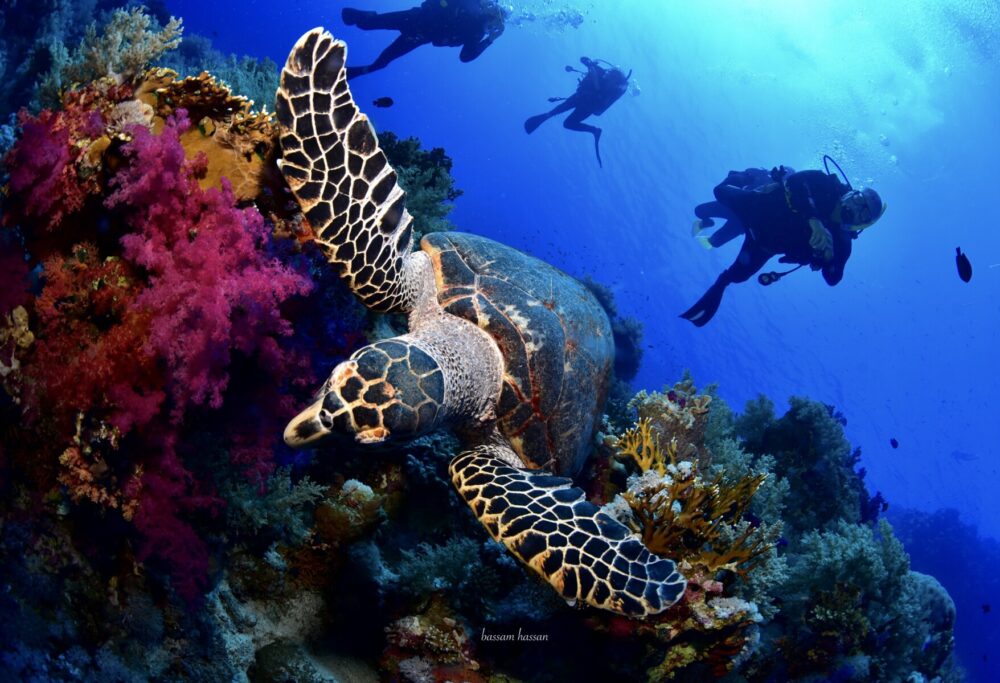
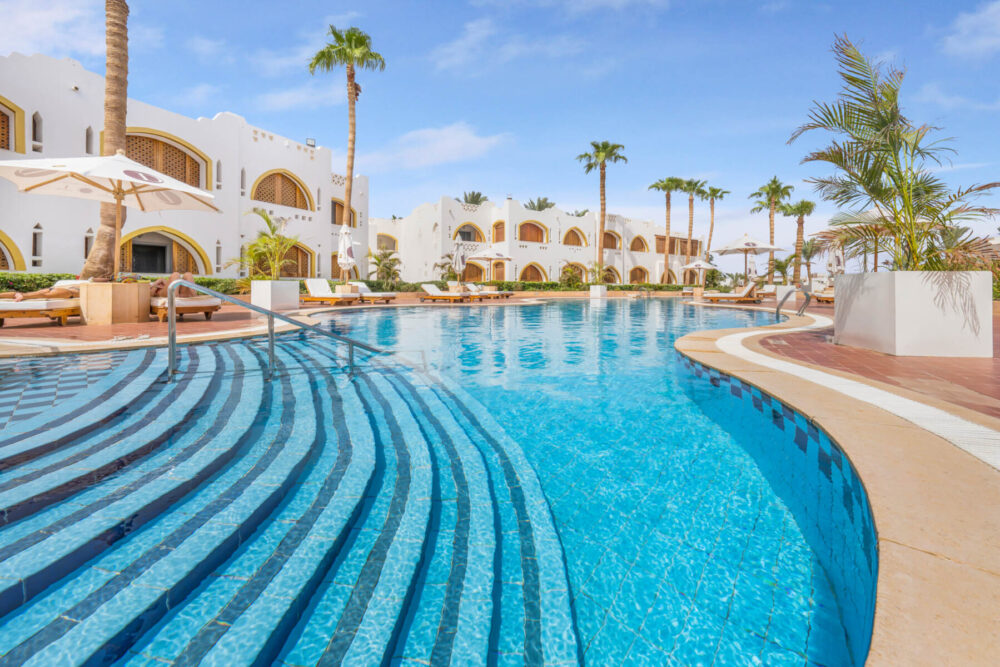
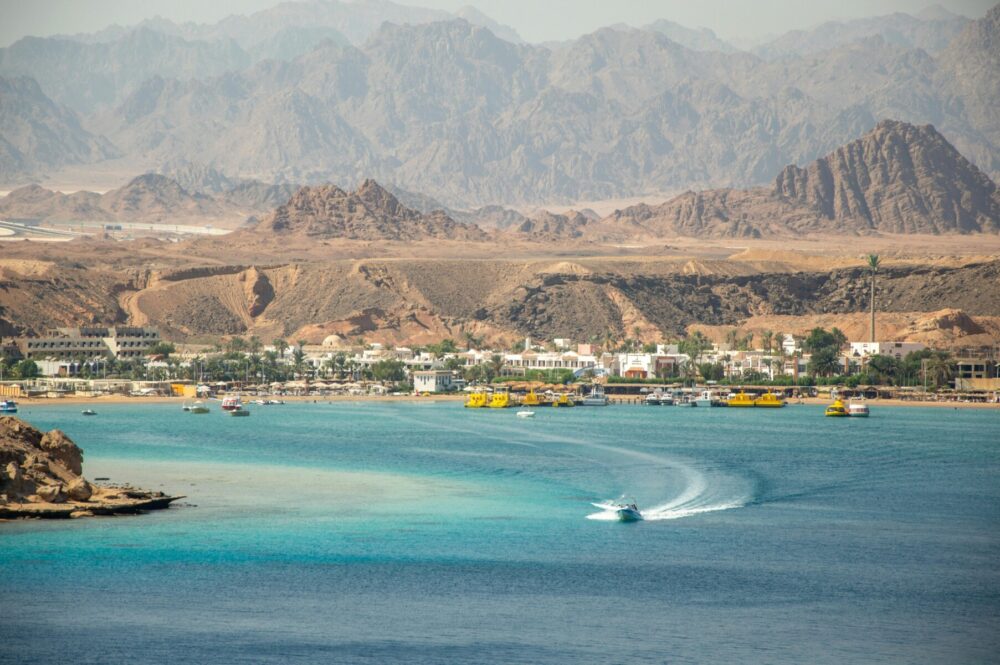
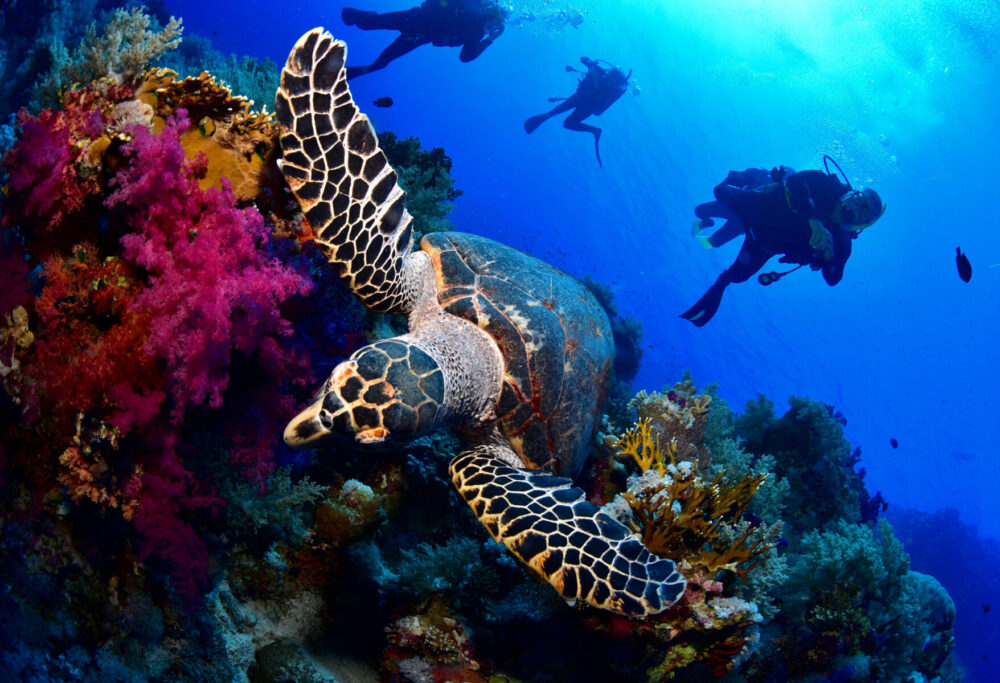
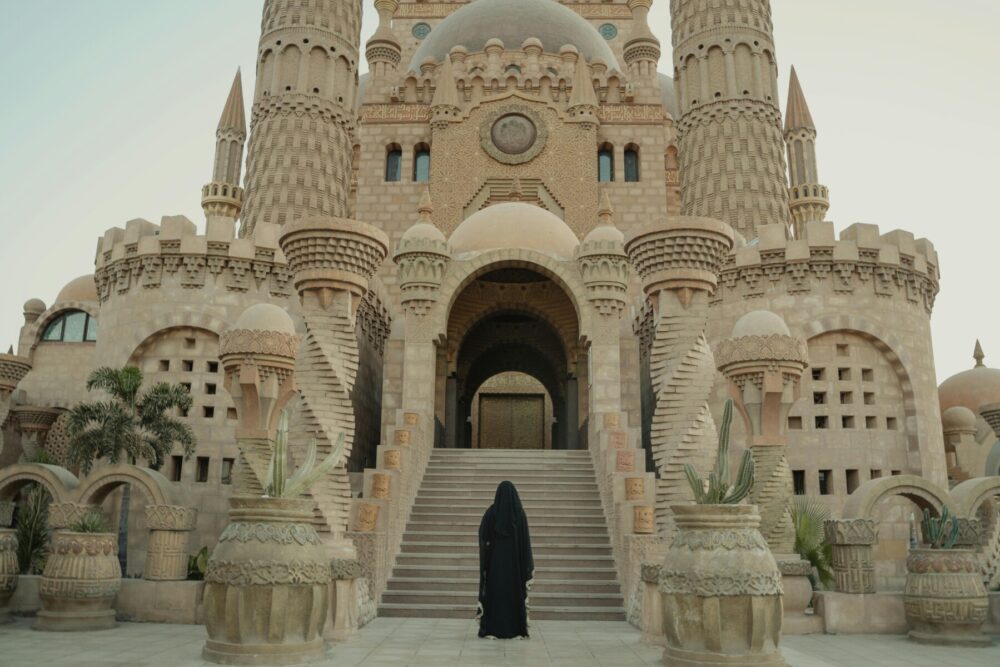
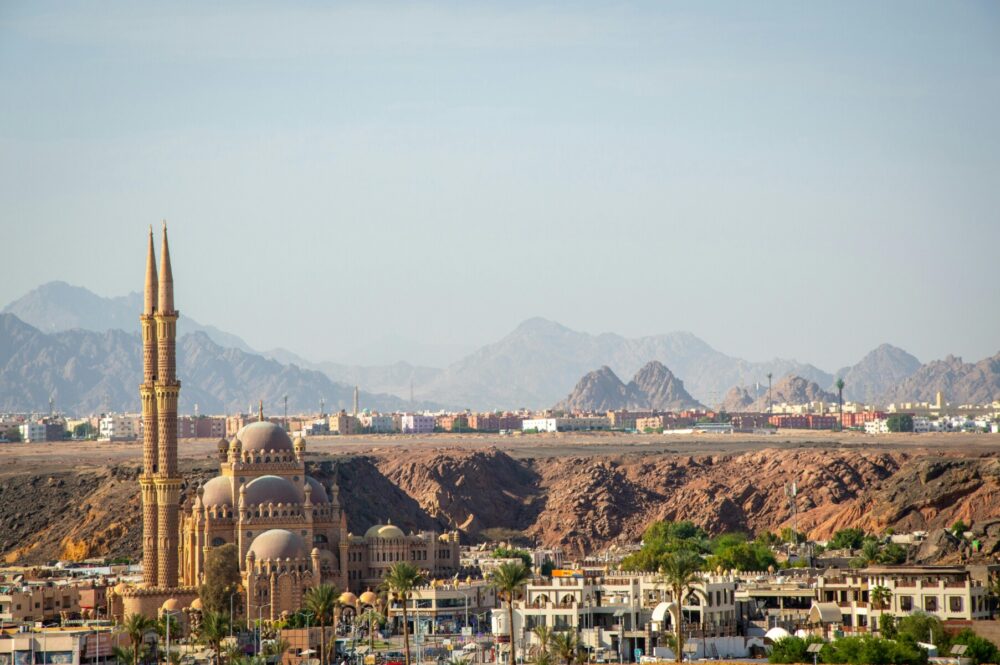
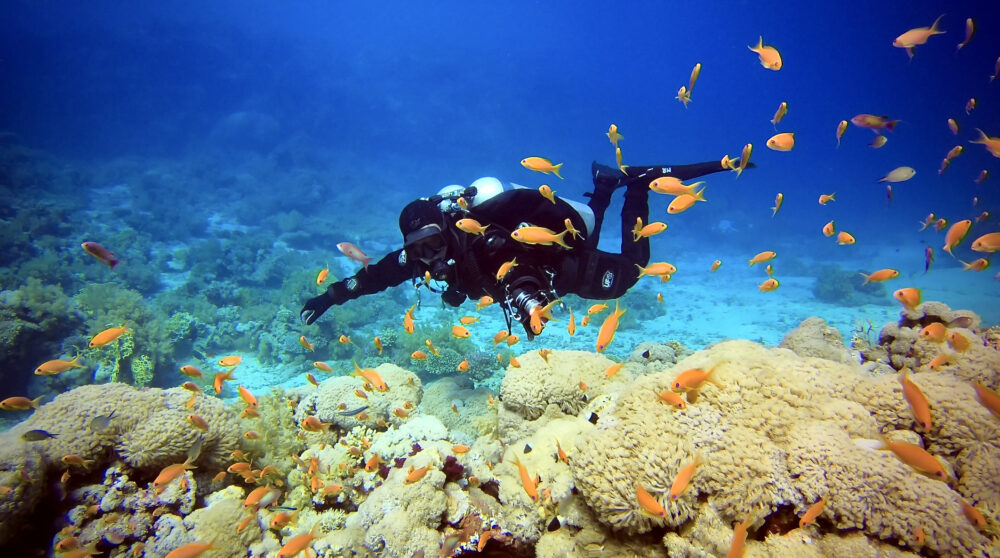
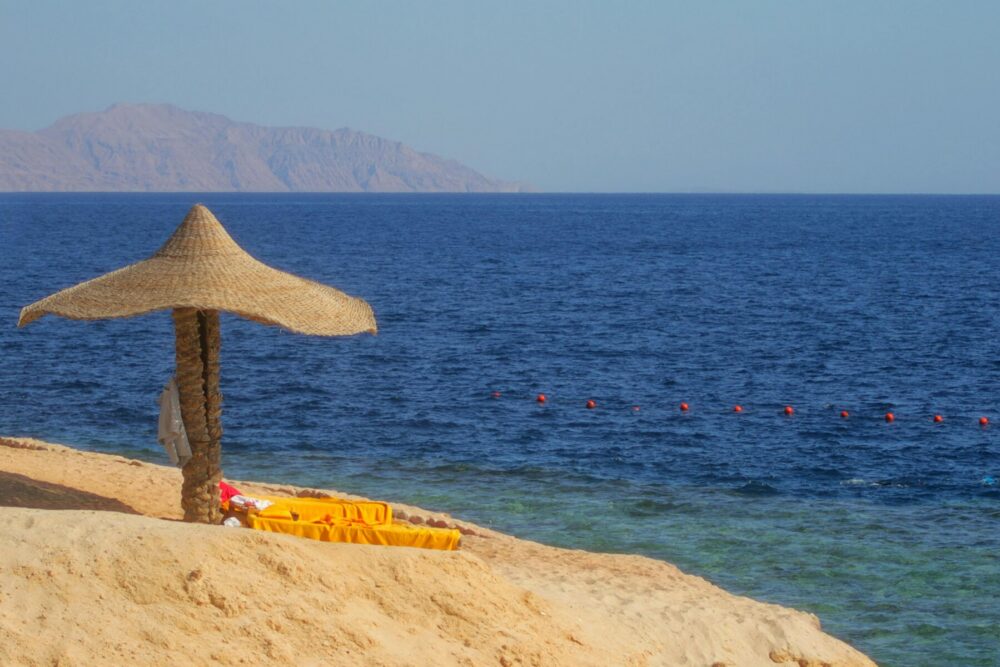
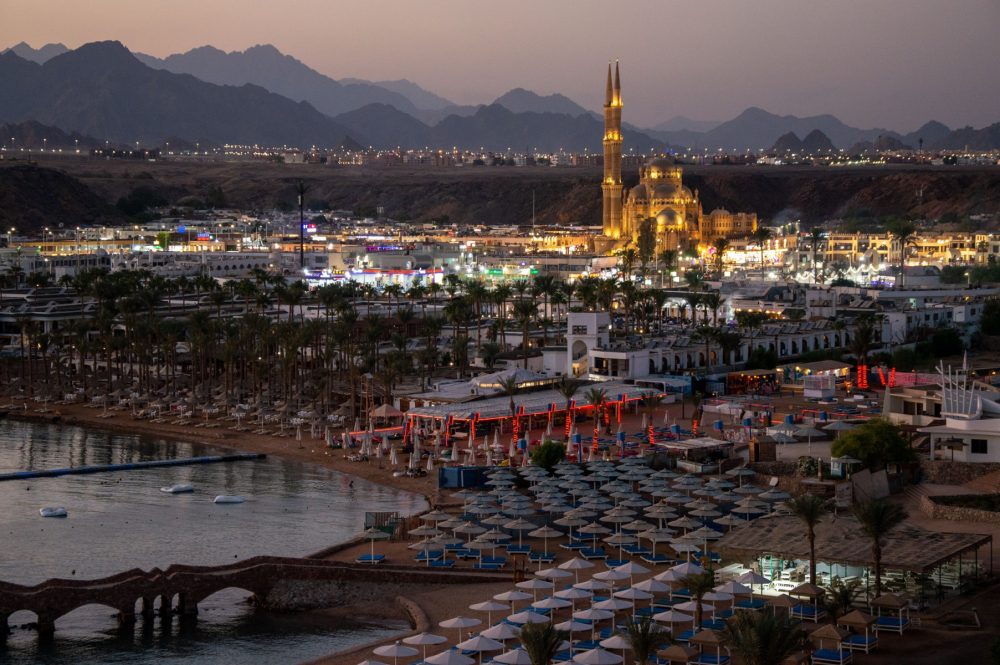
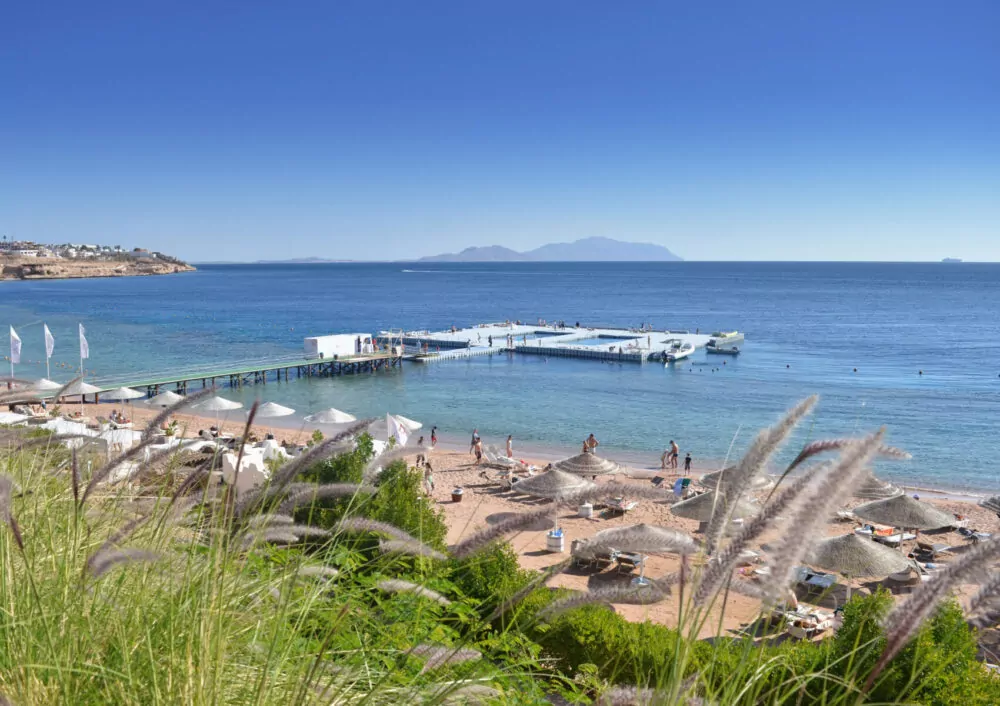
After exploring the history of ancient Egypt, a few relaxing days at a Red Sea resort in Sharm el Sheikh offer a welcome change of pace, with sunshine, beaches, and coral reefs. Abu Simbel is one of those places that stays with you long after you leave.