Alexandria, Egypt: Cleopatra’s City on the Mediterranean
Where legend meets history, Alexandria has captivated travelers for thousands of years. Set along Egypt’s Mediterranean coast, the city was once one of the ancient world’s great centers of learning, science, and the arts. Today, its extraordinary heritage blends with a cosmopolitan atmosphere, waterfront promenades, and fascinating archaeological sites. Travelers looking beyond the best-known tourist routes will find a compelling mix of Egyptian, Greek, and Roman influences, making Alexandria an appealing destination for anyone drawn to culture and authenticity.
Where Is Alexandria, and Why Is It Famous?
Alexandria lies in northern Egypt, overlooking the Mediterranean Sea. Founded by Alexander the Great, it is famous as the city associated with the legendary Queen Cleopatra. It was home to the ancient Library of Alexandria, an enduring symbol of scholarship, and the celebrated Pharos lighthouse, one of the Seven Wonders of the Ancient World. Today, Alexandria is known for its busy harbor, historical landmarks, and lively cultural scene.
Top Things to See in Alexandria
Alexandria offers everything from archaeological wonders to contemporary cultural attractions. Here are some of the places worth including in your itinerary.
Bibliotheca Alexandrina
The modern Bibliotheca Alexandrina stands near the site of the ancient library, which disappeared centuries ago. With its striking contemporary architecture, the cultural complex houses extensive book collections, museums, and exhibition spaces. A visit provides an introduction to Alexandria’s intellectual legacy through displays, cultural programming, and special exhibitions. The library also hosts conferences and events with international participation.
Citadel of Qaitbay
Built in the 15th century near the site of the legendary lighthouse, the Citadel of Qaitbay overlooks Alexandria’s harbor. This imposing fortress is an excellent place to enjoy views of the Mediterranean while learning about the city’s military history. Its courtyards, walls, and chambers evoke centuries of defenses against naval threats and invasions. The panoramic views are a highlight of any visit.
Catacombs of Kom el Shoqafa
The Catacombs of Kom el Shoqafa are among Alexandria’s most intriguing archaeological attractions. Carved underground during the Roman period, they feature a remarkable blend of Egyptian, Greek, and Roman artistic traditions. Visitors can descend the winding stairways and explore burial chambers decorated with unusual symbols and sculptures. The site offers an atmospheric glimpse into the city’s multicultural past.
Pompey’s Pillar
The monumental column known as Pompey’s Pillar rises above a hill surrounded by ancient remains. Standing approximately 82 feet (25 meters) tall, it was erected in the third century A.D. to honor Emperor Diocletian, despite its misleading popular name. Nearby sphinxes and archaeological ruins add to the setting, making the site an important historical stop and a favorite place for photography.
The Corniche
Alexandria’s Corniche is its lively waterfront promenade, ideal for a scenic stroll. Historic cafes, restaurants, and sweeping sea views line the route. As evening approaches, families and friends gather along the waterfront to enjoy the breeze and the changing colors over the Mediterranean. Few places capture the city’s seaside character quite so well.
The Lost Lighthouse of Alexandria
The legendary Lighthouse of Alexandria once rose more than 330 feet (100 meters) above the harbor, guiding ships across the Mediterranean. Counted among the Seven Wonders of the Ancient World, it was gradually damaged by earthquakes and eventually disappeared. Although the tower no longer stands, its story remains closely connected with the area where the Citadel of Qaitbay now rises. The lighthouse still symbolizes Alexandria’s maritime heritage and inspires countless historical accounts and legends.
Alexandria and the Sea
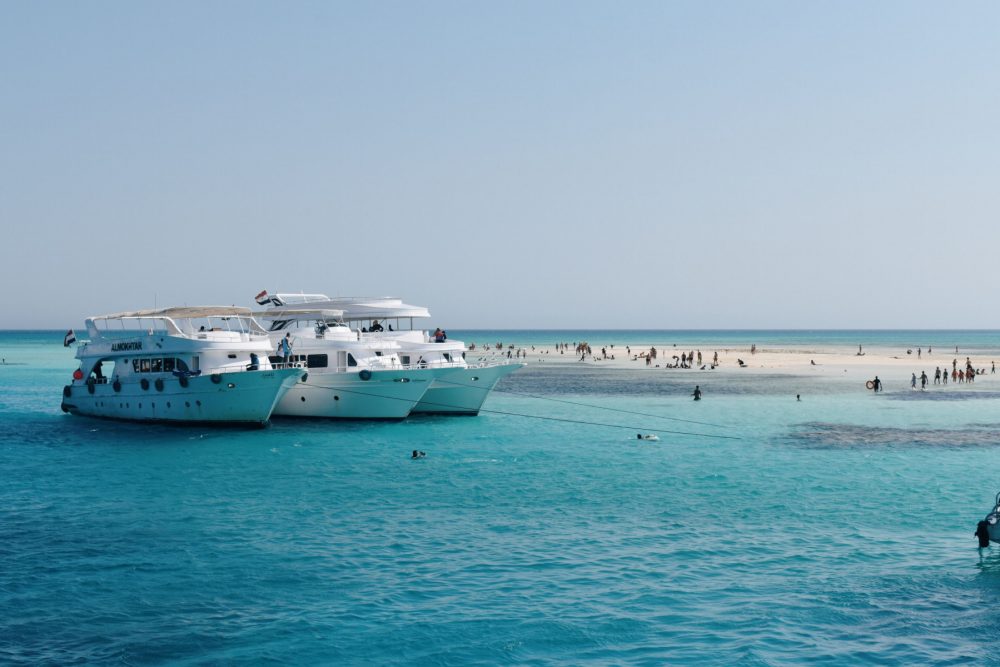
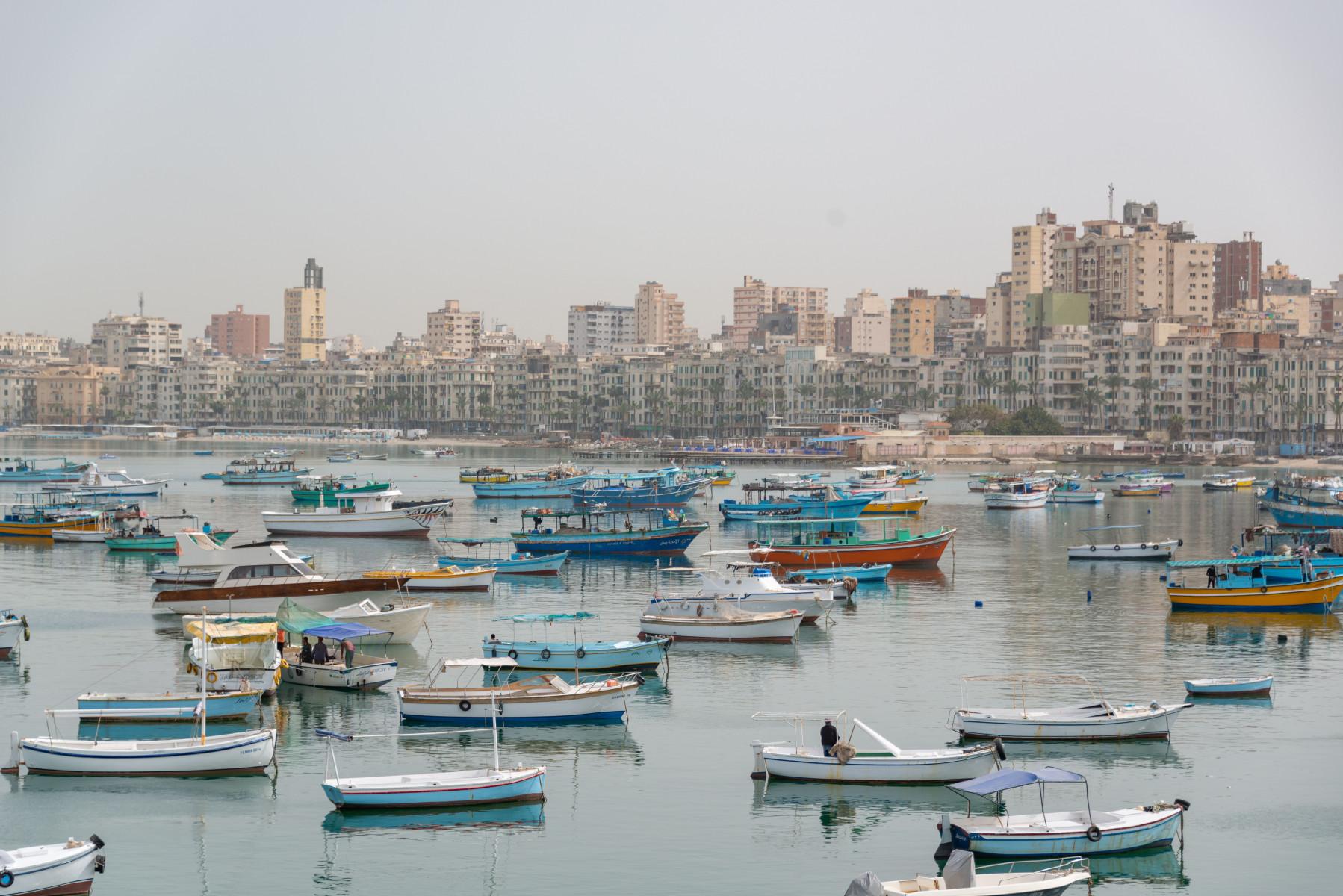
Alexandria stretches along the Mediterranean coast, with beaches, harbors, and lively waterfront districts. The sea plays a central role in everyday life as fishing boats and other vessels move through its waters. The Montaza area is popular for its coastal scenery, while the harbor reflects the city’s long seafaring history. A salty breeze cools the promenade, particularly welcome on warmer days, and gives Alexandria its distinctive Mediterranean atmosphere.
How to Get to Alexandria from Cairo
Alexandria is approximately 137 miles (220 kilometers) from Cairo, and several transportation options make it possible to visit based on your schedule and travel preferences.
If you’re also exploring the capital, our guide to things to see in Cairo offers ideas for planning the rest of your trip.
By Train
Taking the train is a practical way to travel from Cairo to Alexandria. Regular services connect the two cities, with different train categories and comfort levels. Some trains offer air-conditioned seating, making the journey a convenient opportunity to rest and watch the scenery change as you approach the Nile Delta. Travel times depend on the service and schedule, so check current departures and journey durations before booking.
By Car or Guided Tour
Travelers who prefer flexibility can reach Alexandria by road from Cairo. The journey passes through stretches of countryside and developed areas, with driving conditions varying by time of day. Private tours led by local guides are also available and can simplify transportation between Alexandria’s major attractions. Allow roughly three hours or more, depending on traffic and the route, and plan extra time if you’re visiting several sites in one day.
How Long Should You Stay?
Plan at least two full days to appreciate Alexandria’s main attractions without rushing. That gives you time to explore its best-known monuments, stroll along the Corniche, and get a feel for local life. Three days allows for a more leisurely experience and visits to less touristy neighborhoods. On your first day, focus on the Bibliotheca Alexandrina, the waterfront, and the Citadel of Qaitbay. Dedicate the second day to the city’s Greco-Roman heritage, including the Catacombs of Kom el Shoqafa and Pompey’s Pillar. With a third day, slow down, enjoy a historic cafe, and watch the sun set over the Mediterranean.
Best Time to Visit and Practical Tips
October through April is generally a comfortable time to explore Alexandria, thanks to milder temperatures. Summer can be hot and humid, although sea breezes sometimes provide welcome relief. Wear comfortable clothing and walking shoes, bring sun protection and drinking water, and schedule archaeological visits for cooler parts of the day. A local guide can add valuable historical context. In winter or on windy days, a light jacket is useful when walking along the waterfront. Uneven surfaces and steps are common at archaeological sites, so practical footwear is especially important.
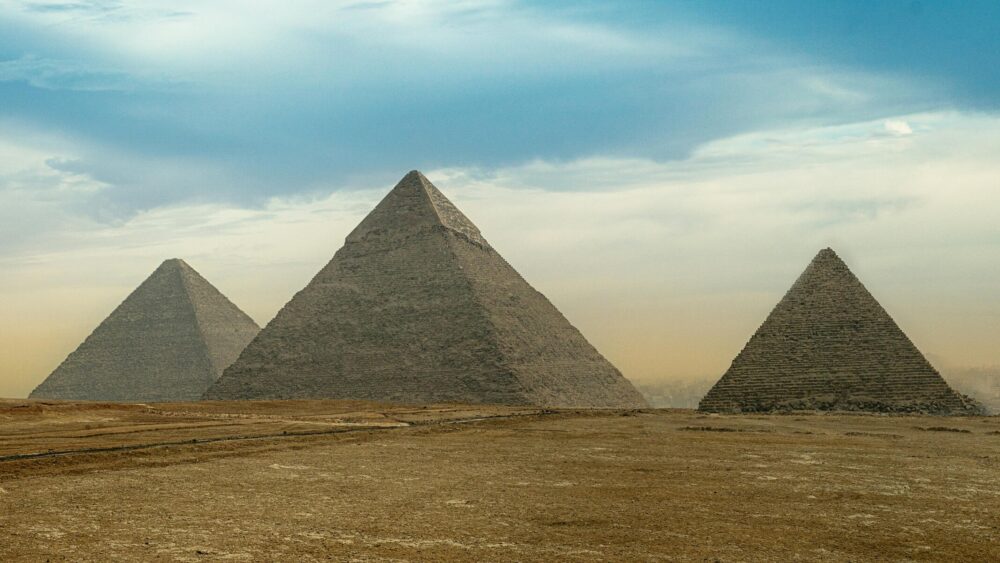
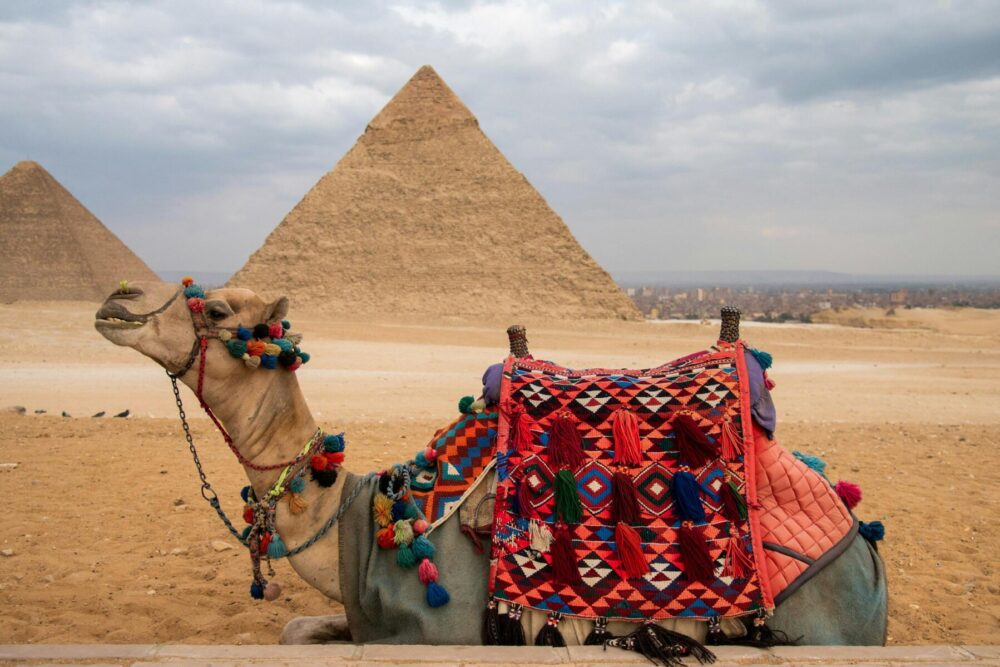
A trip to Egypt can also include the iconic Egyptian pyramids, an unforgettable part of the country’s ancient heritage. Before finalizing your plans, confirm museum and archaeological-site opening hours on official channels, since schedules may change for holidays or special events. Aim to explore popular attractions earlier in the day and leave room for unhurried walks along the Corniche. If you’re traveling independently, consider city traffic when planning connections between museums, the waterfront, and historical sites. For tickets and closures, rely on official visitor information rather than outdated third-party listings.
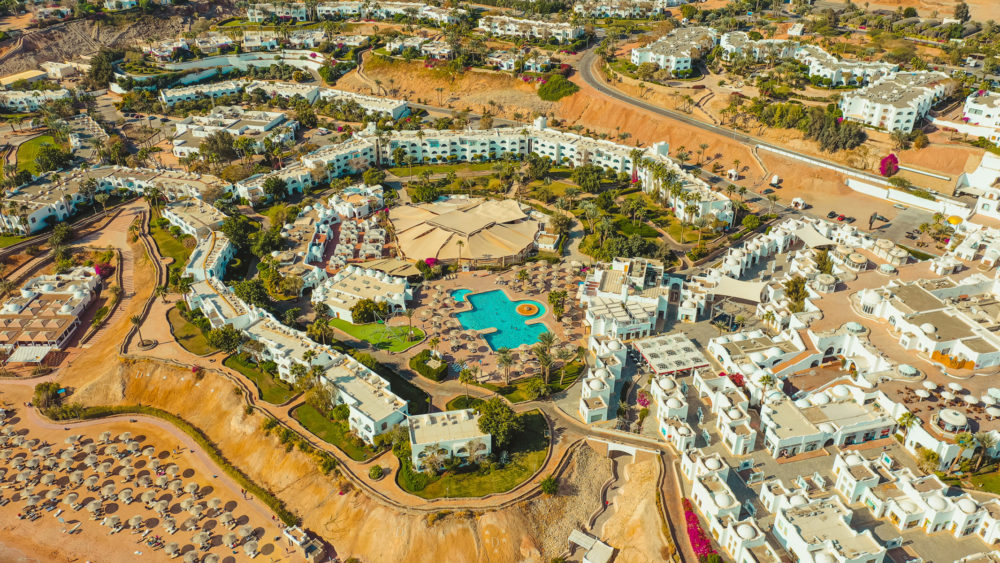
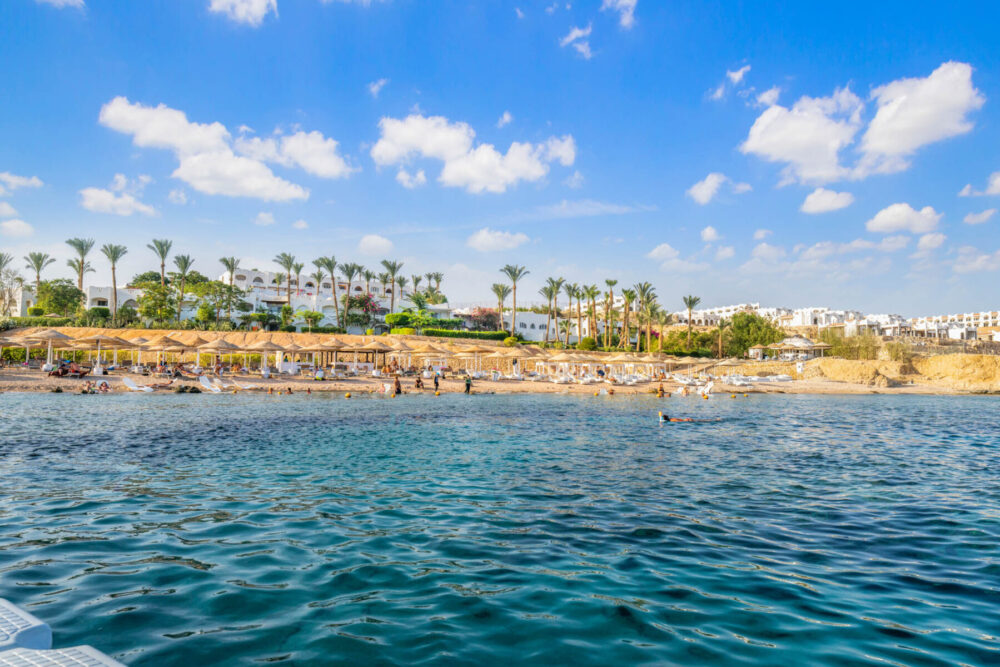
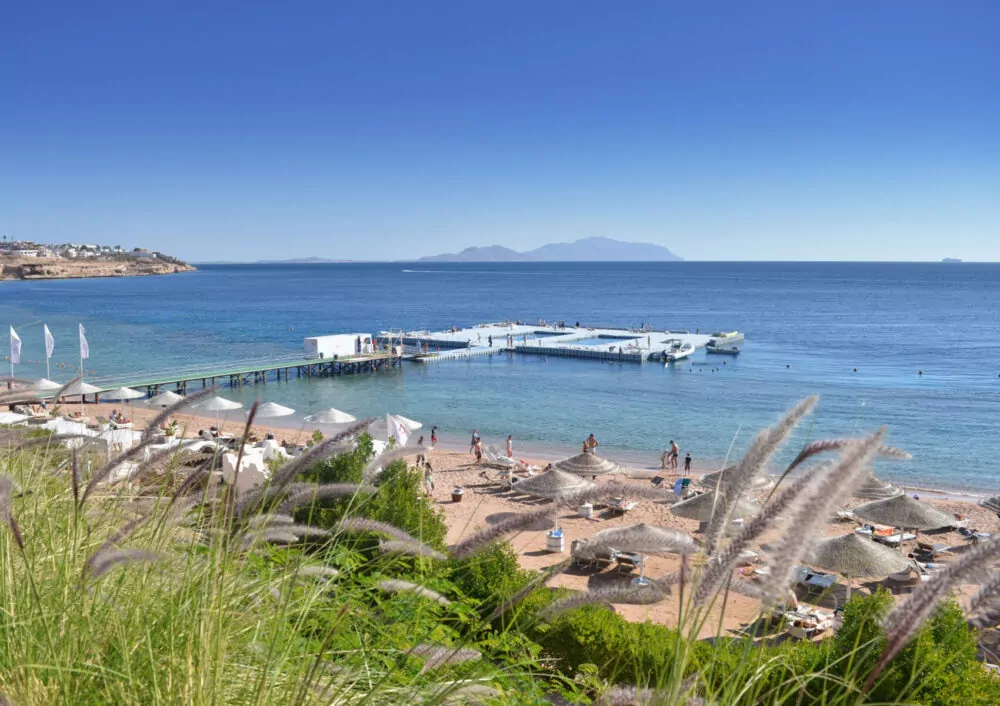
Alexandria invites you to discover a city where history is part of everyday life, from remarkable monuments and museums to its sweeping Mediterranean waterfront. Its archaeological treasures and vibrant coastal atmosphere make it a rewarding destination for travelers interested in culture and discovery. To balance sightseeing with a relaxing Red Sea escape, consider staying at Domina Coral Bay, a Red Sea resort in Sharm El Sheikh. With comfortable accommodations and plenty of opportunities to unwind, it’s an inviting setting for the next part of your Egyptian journey.