Hieroglyphs: Ancient Egypt’s Sacred Script and Where to See Them
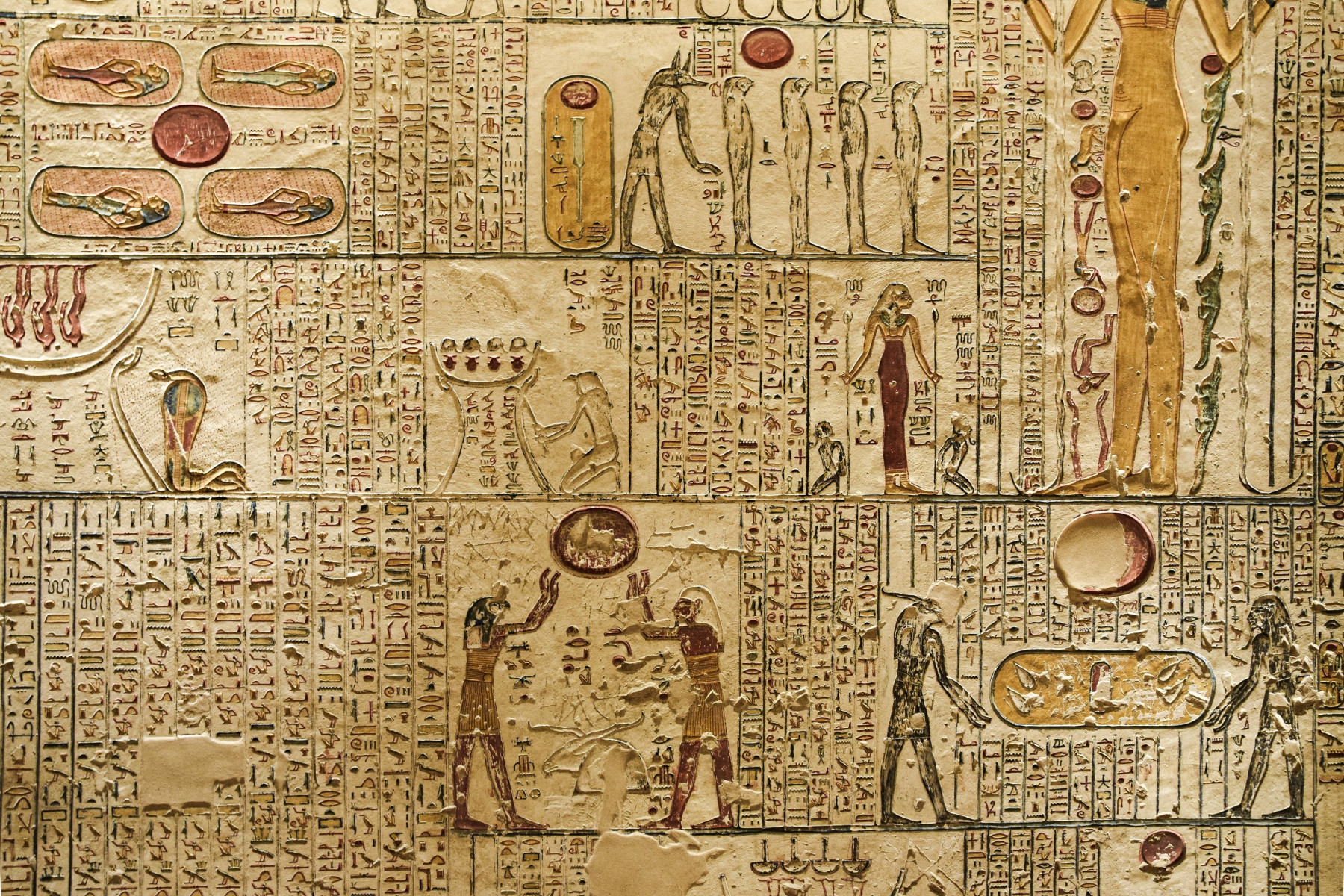
Mysterious, fascinating and steeped in history, hieroglyphs are one of the most extraordinary symbols of Egyptian civilisation. This ancient script, carved into temples, tombs and papyri, tells the essence of a legendary people. Setting out to discover hieroglyphs means immersing yourself in a world of symbols, deities and secrets kept for centuries, letting yourself be captivated by the timeless allure of ancient Egypt.
What were hieroglyphs
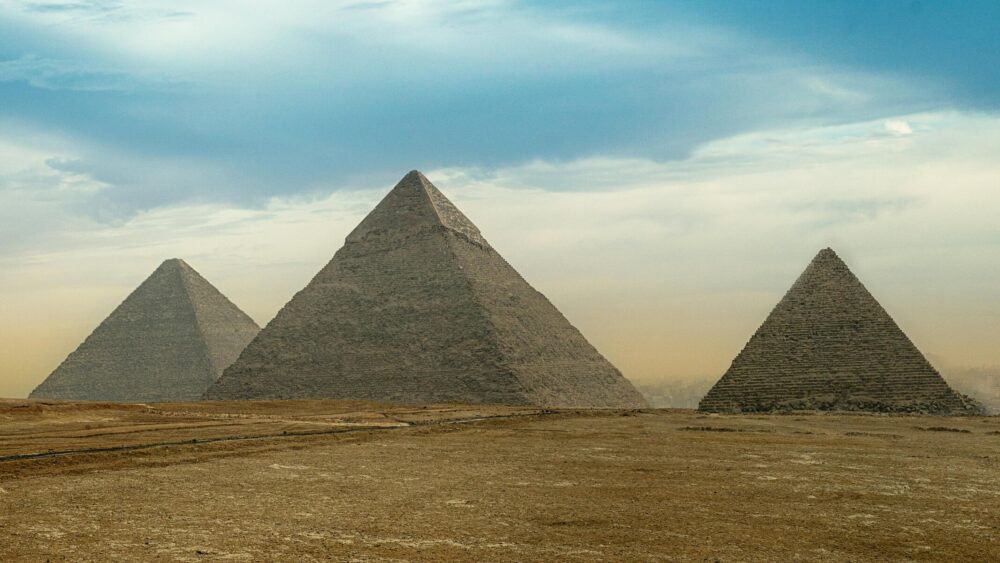
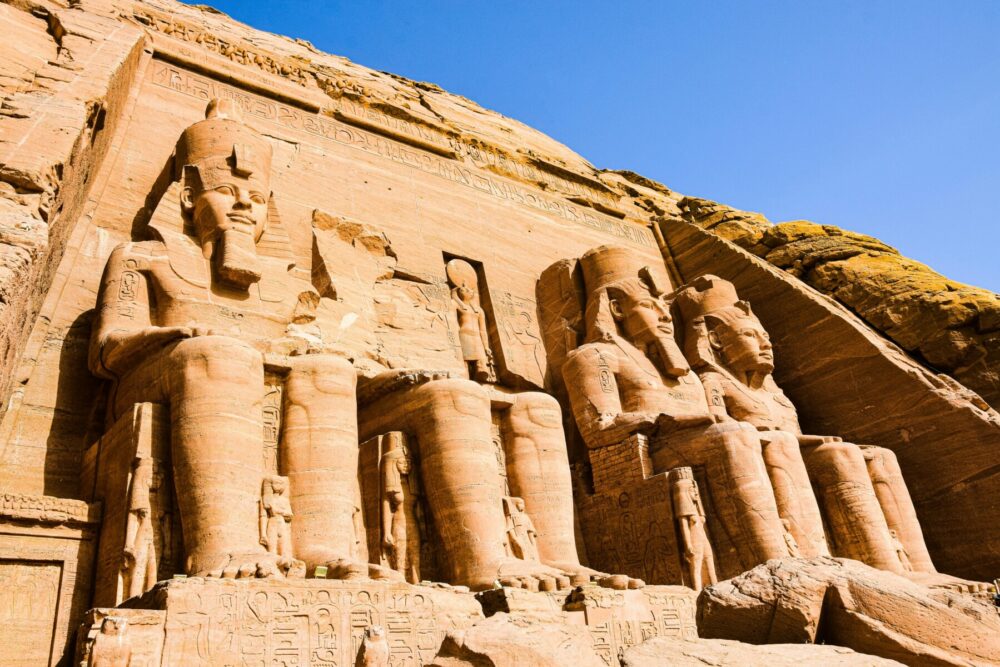
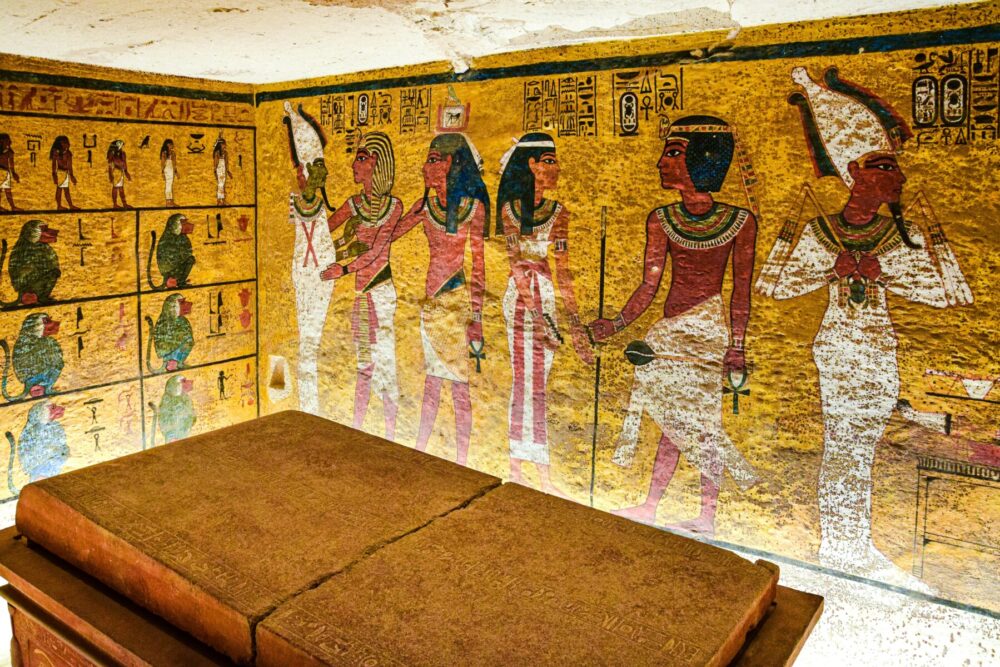
Hieroglyphs were the writing system adopted by the ancient Egyptians to communicate, record and pass down their history. This form of writing was made up of hundreds of signs, each with a specific meaning, used to carve messages onto the walls of the pyramids of Giza, in temples and on sacred objects. What sets Egyptian hieroglyphs apart is their visual nature: each symbol could represent a sound, a word or a concept. Tablets, Egyptian papyri and stelae, such as the famous Rosetta Stone, have become genuine records of the past, allowing scholars to reconstruct the history of Egyptian writing.
Why hieroglyphs were considered sacred
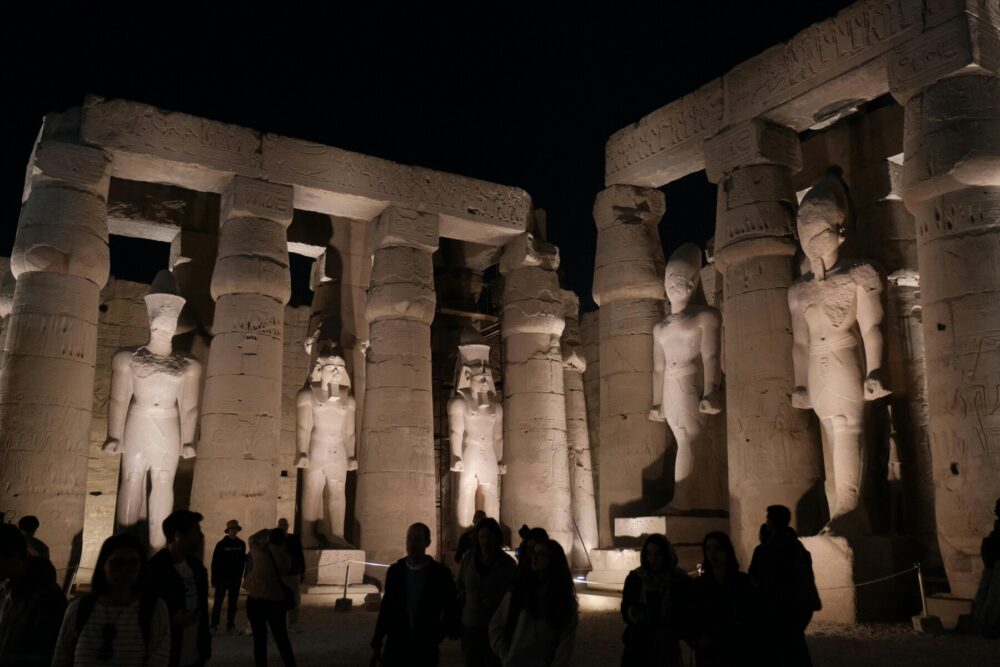
Hieroglyphs were not simply a means of communication, but a script deeply tied to the sacred. The ancient Egyptians attributed magical and divine power to hieroglyphs, regarding them as the language of the gods. Inscriptions were often used in religious rituals, in tombs and in temples such as that of Luxor, to protect and guide the dead in the afterlife. The word “hieroglyph” itself comes from the Greek and means “sacred carving”. Only Egyptian scribes, a highly educated class, could master this complex art, thereby guarding the secret of the sacred script.
How the hieroglyphic alphabet works
The hieroglyphic alphabet is a complex system made up of phonetic signs, ideograms and determinatives. Each symbol can correspond to a letter, a syllable or an entire concept. The key to deciphering this ancient code was the Rosetta Stone, which allowed Jean-François Champollion to unravel the mystery of Egyptian writing. Understanding how to read hieroglyphs means entering a universe of animal symbols, everyday objects and divine figures. Even today, looking at the texts on the walls of the Egyptian Museum in Cairo, visitors remain captivated by the beauty and precision of this script.
Hieroglyphs in Sinai: the inscriptions of Serabit el-Khadim
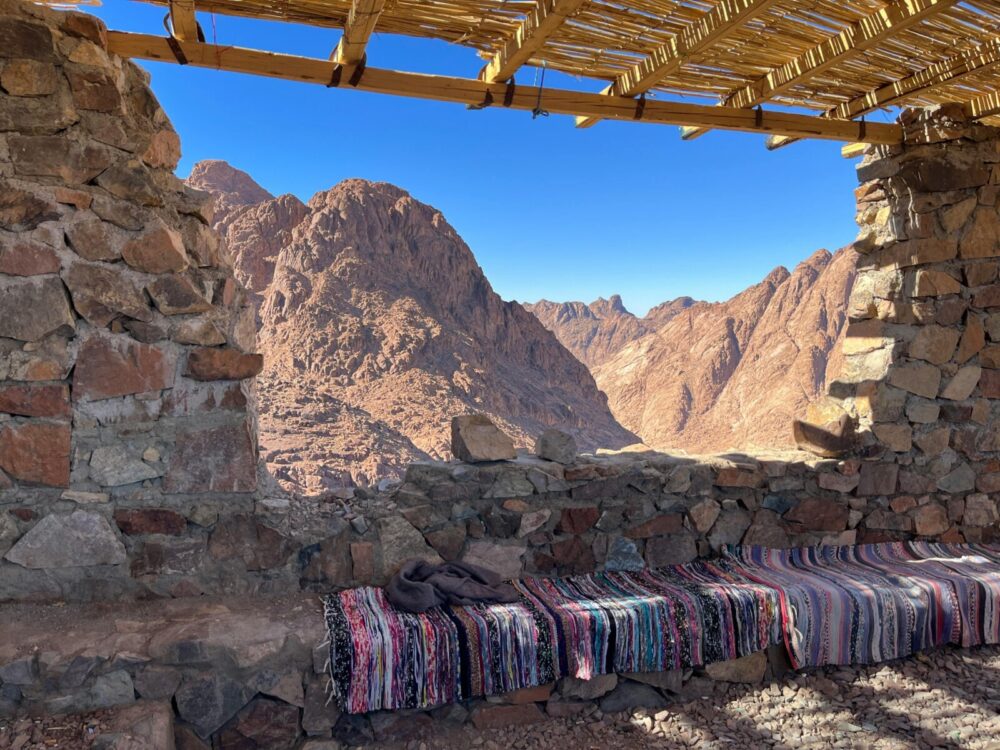
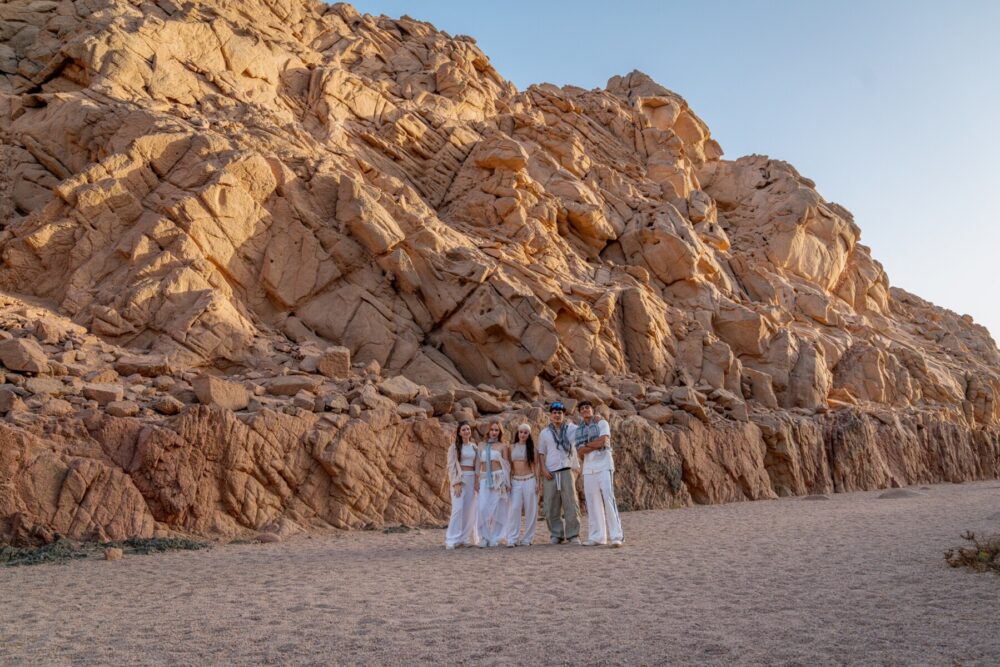
In the Sinai region, the archaeological site of Serabit el-Khadim offers the extraordinary chance to admire ancient hieroglyphic inscriptions carved into the rock. Here, among turquoise mines and temples dedicated to the goddess Hathor, unique evidence of an Egyptian presence outside the Nile Valley has been found. The inscriptions of Serabit el-Khadim represent one of the earliest examples of alphabetic writing, a bridge between Egyptian hieroglyphs and later alphabetic systems. An excursion to this area reveals how the symbols were used to celebrate achievements, recount expeditions and invoke divine protection amid striking natural surroundings.
Where to see hieroglyphs from Sharm el Sheikh
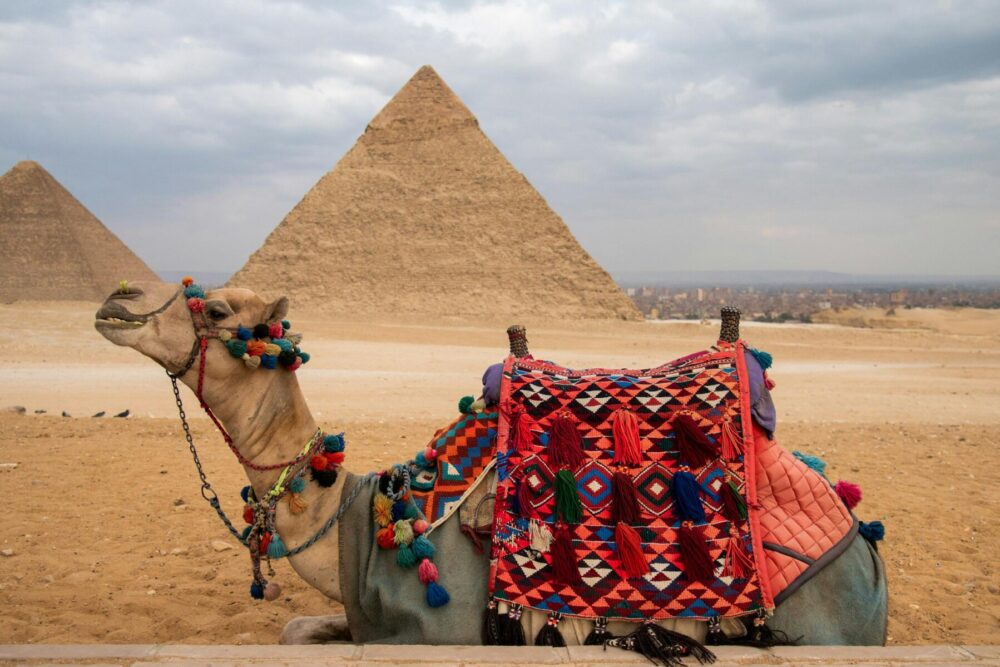
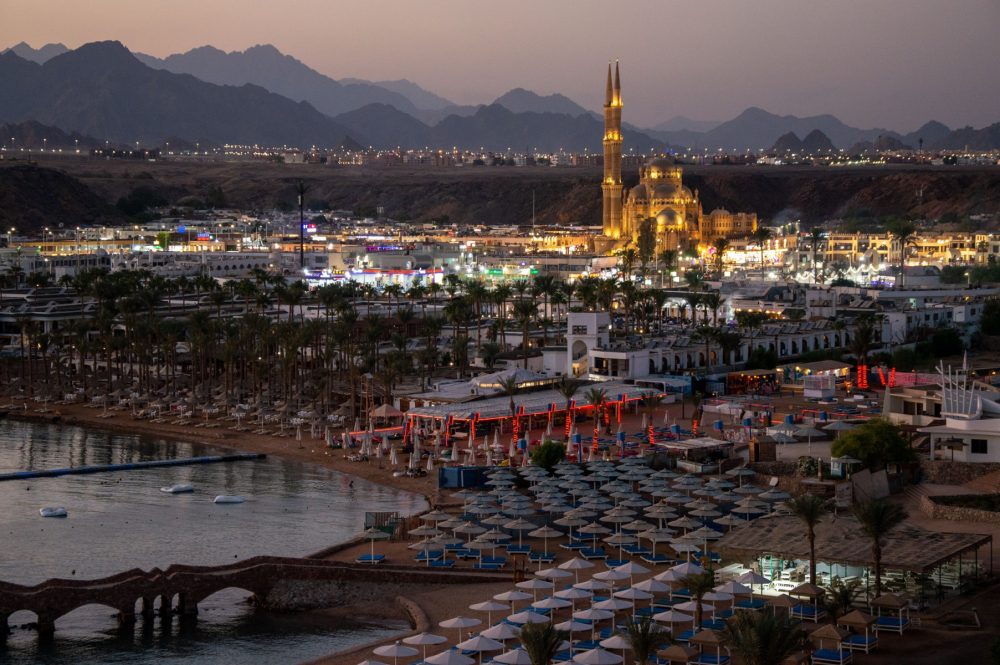
Sharm el Sheikh is the ideal starting point for exploring the treasures of ancient Egypt. Among the most iconic destinations reachable from here are the Egyptian pyramids of Giza, the legendary Luxor and the Valley of the Kings and the Grand Egyptian Museum in Cairo, home to papyri, statues and artefacts decorated with hieroglyphs. For those staying in Sharm, it’s possible to arrange excursions from Sharm el Sheikh to discover these extraordinary archaeological sites, experiencing the thrill of seeing the sacred script carved into ancient stone with your own eyes. Tours from Sharm to Luxor make it easy to combine relaxation on the Red Sea with a unique brush with Egyptian history.
How to read a cartouche during your visit
During visits to temples and tombs, one of the most fascinating elements is the cartouche, the oval that encloses a pharaoh’s name written in hieroglyphs. To decipher a cartouche, you need to recognise the phonetic symbols and know that it can be read either right to left or left to right, depending on the direction the figures are facing. Knowing a few basic signs of the hieroglyphic alphabet lets you pick out the names of famous rulers such as Ramesses or Tutankhamun. At sites like the Temple of Karnak, with the help of expert guides, you can learn to interpret the meaning of the symbols and gain an even greater appreciation for the cultural richness of Egyptian writing.
Planning the excursion from your resort: duration, timing, what to pack
An excursion to discover hieroglyphs starting from a Red Sea resort takes a bit of planning. Visits to the pyramids of Giza or the Valley of the Kings in Luxor can take a full day, setting off at dawn to avoid the hottest hours. The best time to go is from October to April, when the climate is milder. It’s advisable to bring comfortable clothing, a hat, sunscreen and plenty of water, along with a camera to capture the detail of the inscriptions. Relying on an expert guide lets you fully grasp the historical and symbolic meaning of the hieroglyphs, turning the visit into a true journey through time.
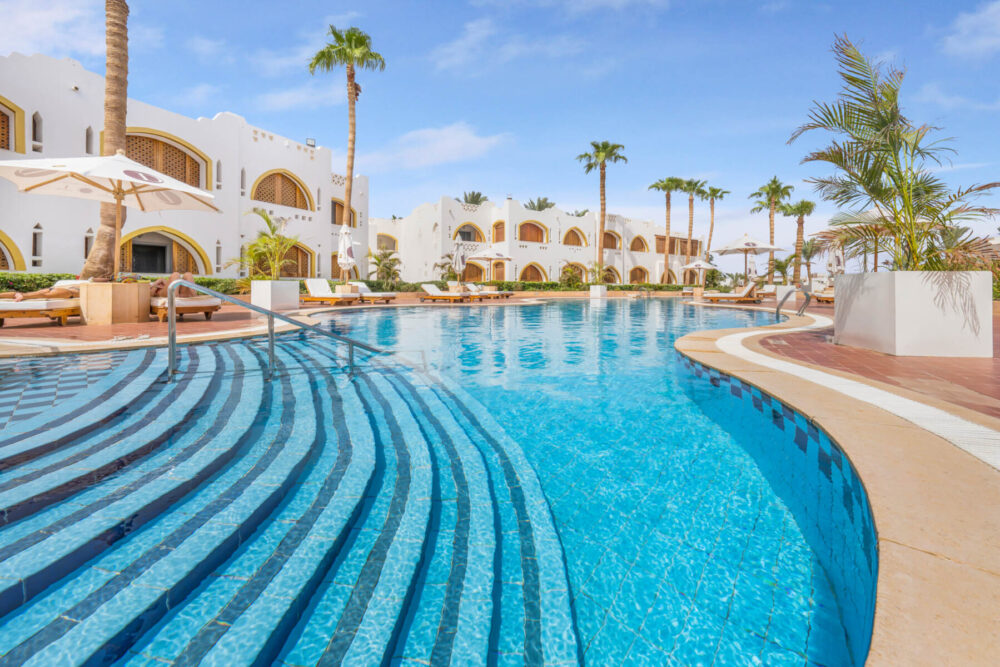
Stay at a resort in Sharm el Sheikh on the Red Sea and easily organise your excursions to discover hieroglyphs and the treasures of ancient Egypt, combining seaside relaxation with the timeless allure of a history thousands of years old.