Sicilian Baroque: How a Style Unique in the World Was Born
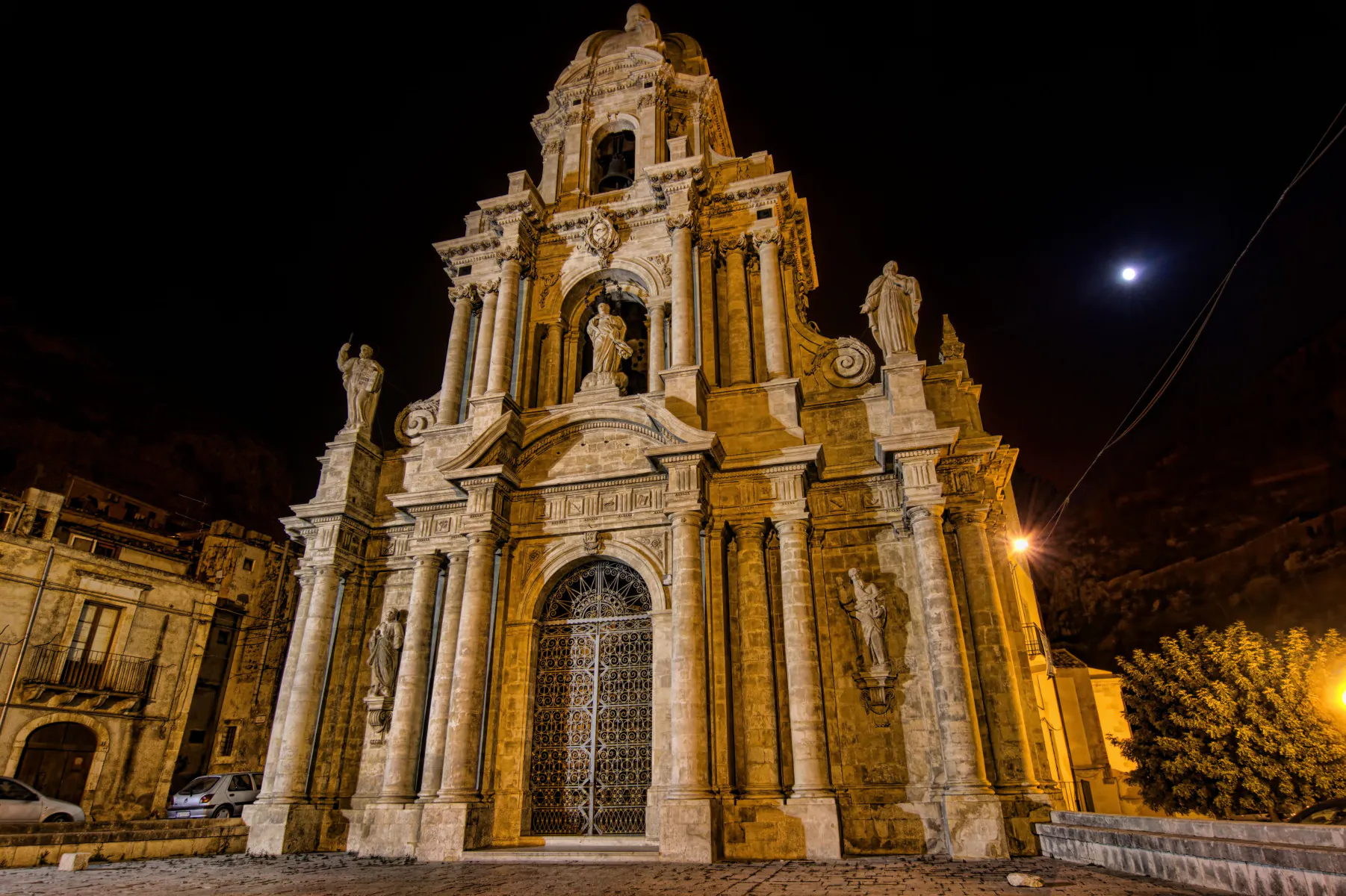
Sicilian Baroque evokes images of golden stone, ornate façades and theatrical settings that turn the island’s towns into genuine stages. This architectural style captivates with its ability to blend art, history and local culture, giving rise to a heritage recognised the world over. Anyone looking for authentic experiences and unforgettable scenery will find, in Sicily, wonders that tell centuries of creativity and resilience, in alleyways and squares brought to life by spectacular details.
What is Sicilian Baroque and where is it found
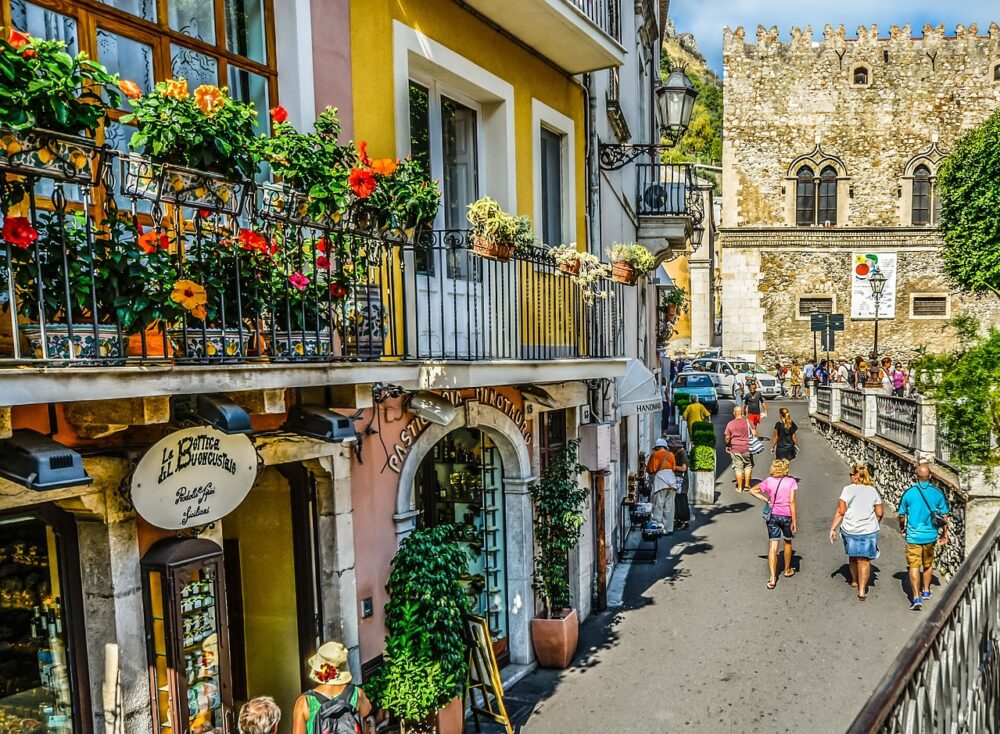
Born in the aftermath of the devastating earthquake of 1693, Sicilian Baroque emerges through an explosion of forms, decorations and artistic solutions that redefined the face of the island’s towns. This style is evident in numerous urban centres, especially in the south-east. Among the most representative are Ragusa Ibla, Noto and Modica, where Baroque architecture blends seamlessly with the surrounding landscape, creating a unique atmosphere. There are also outstanding examples in Scicli, with its evocative, history-rich views, and in Palermo, where Baroque merges with other artistic influences.
The features of Sicilian Baroque
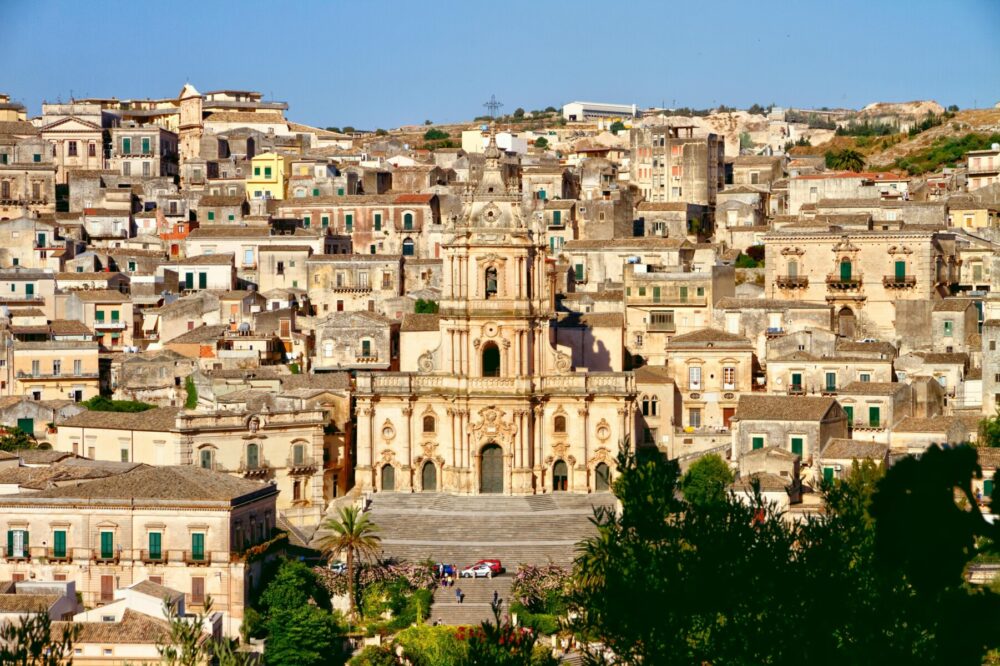
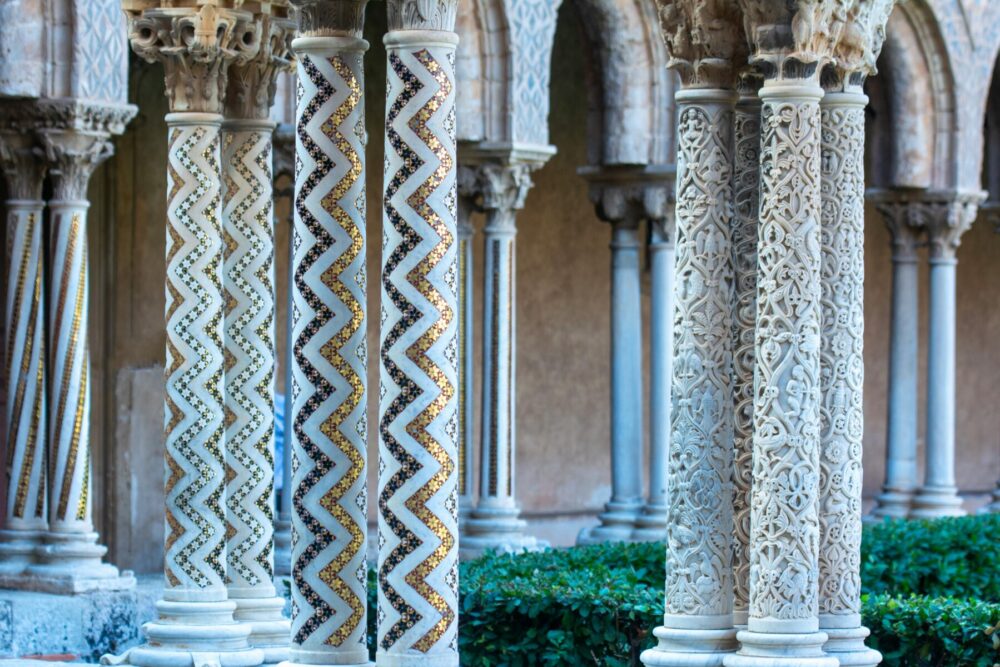
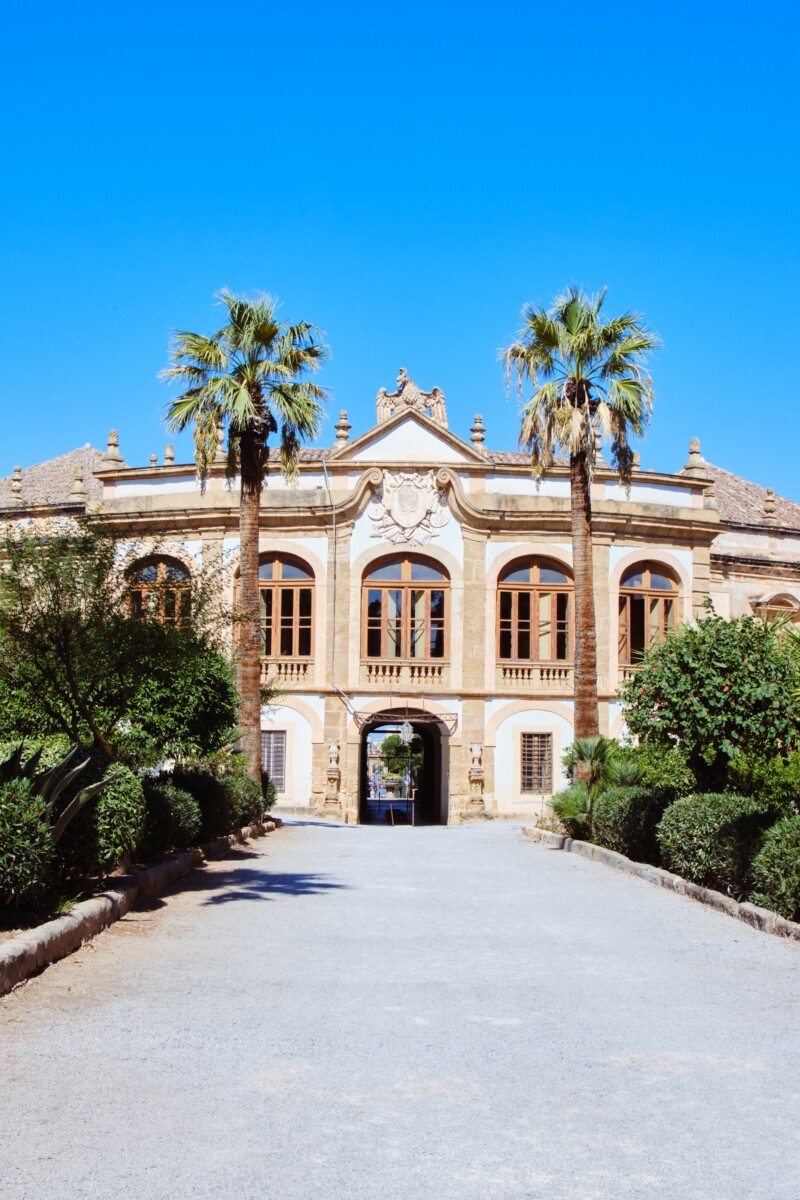
The main features of Sicilian Baroque lie in the decorative richness of the façades, the use of floral and animal motifs, a preference for local stone and a theatrical quality expressed through overhanging balconies and monumental staircases. The churches, such as the Cathedral of San Giorgio in Modica, display sculptural detail and an exuberance that sets late Sicilian Baroque apart from other movements. Baroque architecture in Sicily is also recognisable for its ability to adapt to the climate and social needs of the area, creating bright, welcoming spaces. The interior decorations, often embellished with stuccoes and frescoes, help turn every building into a work of art.
Which are Sicily’s Baroque towns
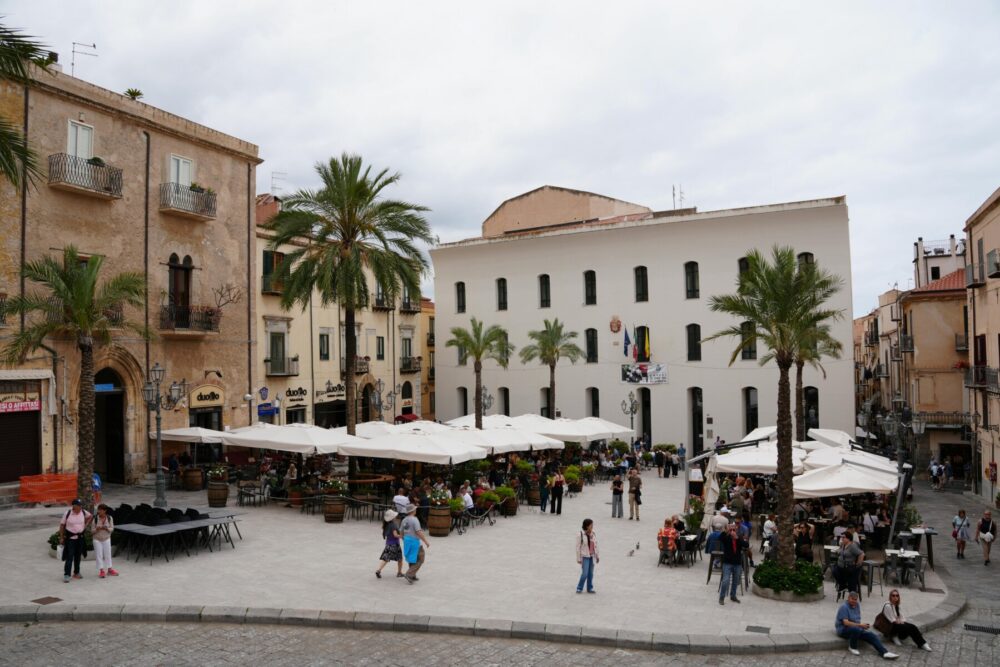
Sicily’s Baroque towns are numerous, and each offers a different perspective on the evolution of this style. Among the most celebrated are Noto, famous for its main avenue and the majestic Cathedral of San Nicolò, and Scicli, which wins visitors over with its understated charm and decorated palaces. Modica is renowned for its terraced urban layout and its remarkable Duomo di San Pietro. Ragusa Ibla is also a gem, with its winding streets and squares home to Baroque buildings of rare beauty. These towns are an integral part of the Val di Noto, an area that holds an unrivalled artistic and cultural heritage.
Which is the capital of Sicilian Baroque
The undisputed capital of Sicilian Baroque is Noto, often described as “the garden of stone”. Strolling along Corso Vittorio Emanuele you can admire buildings such as Palazzo Ducezio and the Chiesa di San Francesco all’Immacolata, which bear witness to the grandeur of late Sicilian Baroque. Noto’s Baroque is celebrated for the perfect harmony between its architecture and the urban setting, creating scenes that look as though they have stepped out of a painting. The town also hosts cultural events and festivals that showcase its Baroque heritage, drawing visitors from all over the world.
Baroque in Palermo and western Sicily
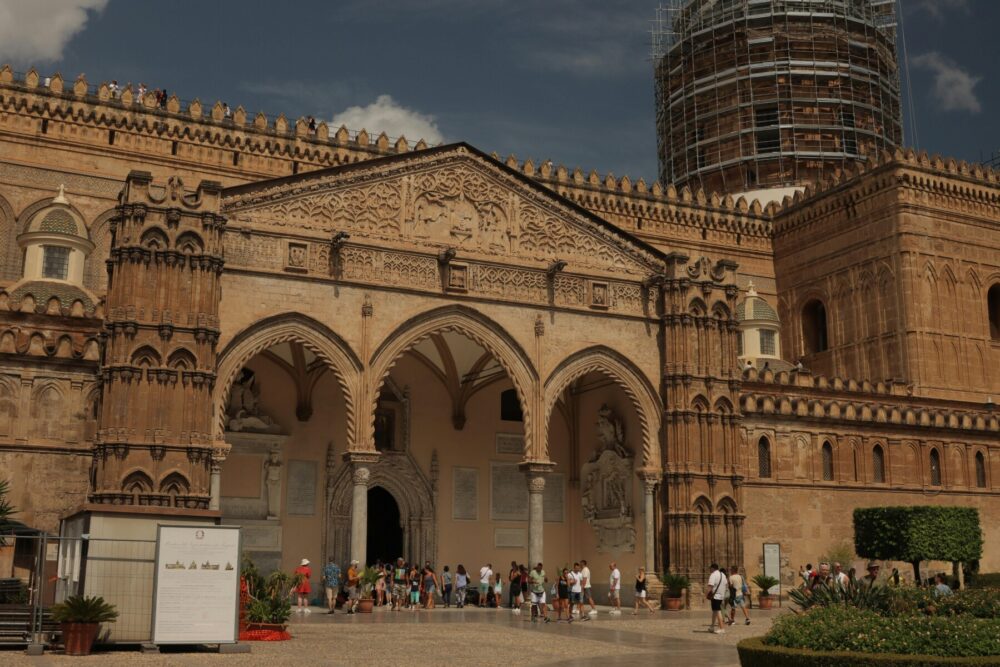
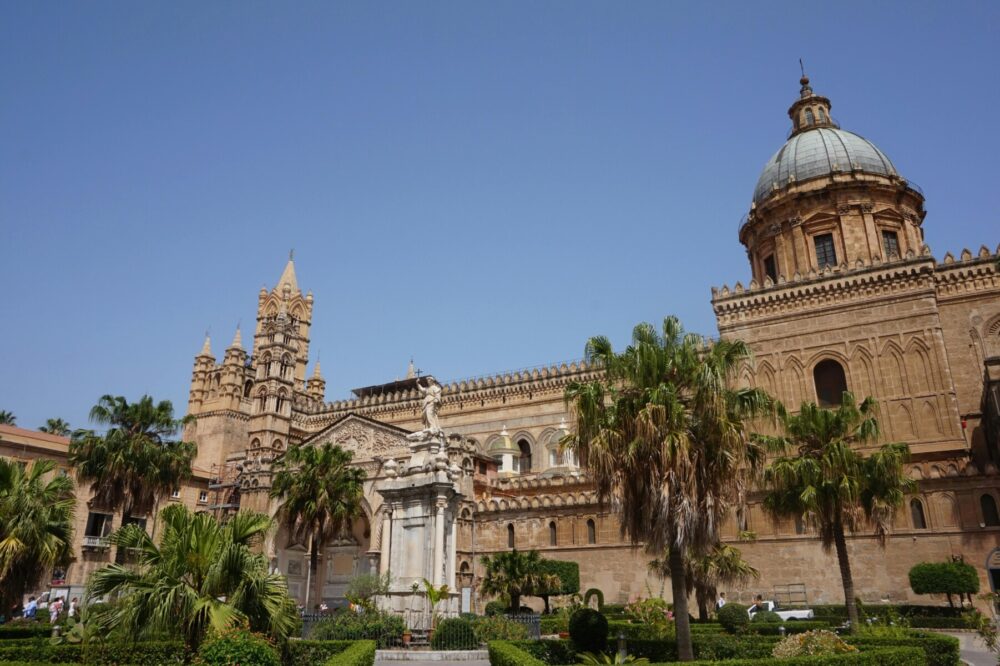
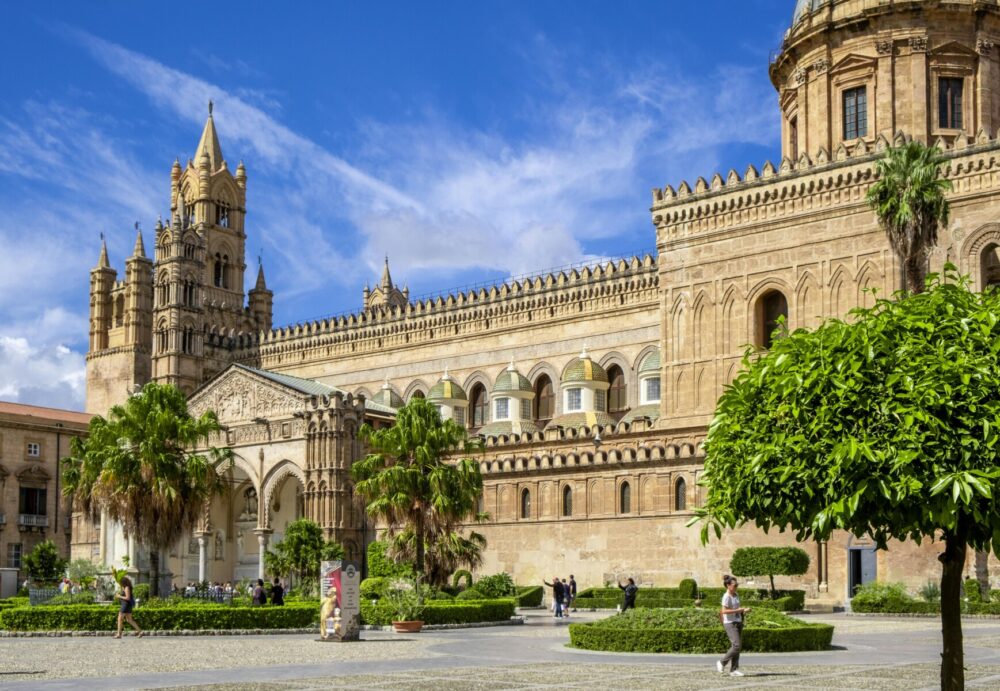
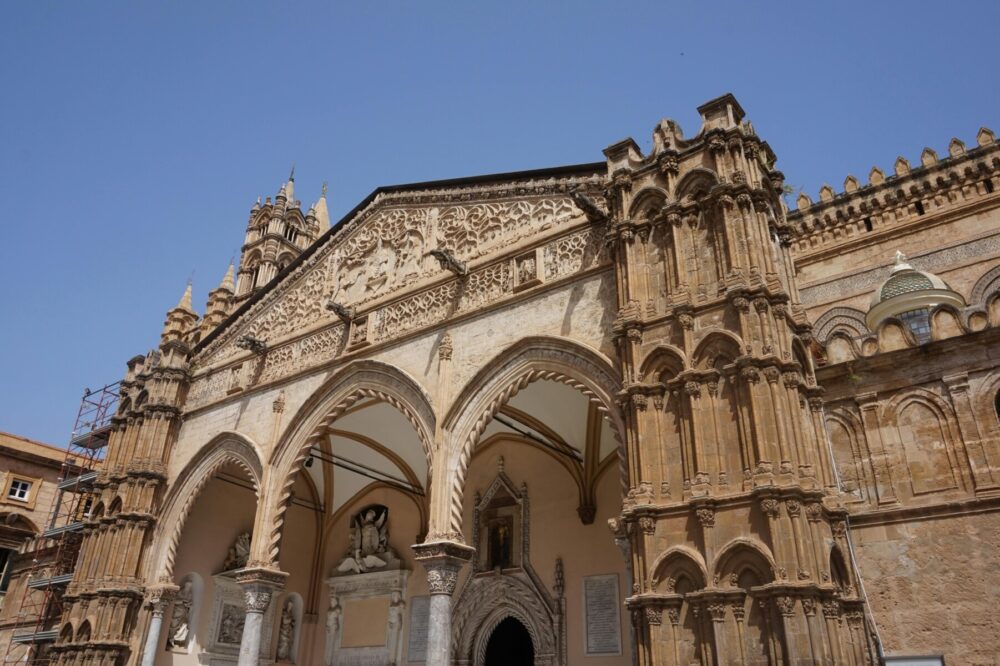
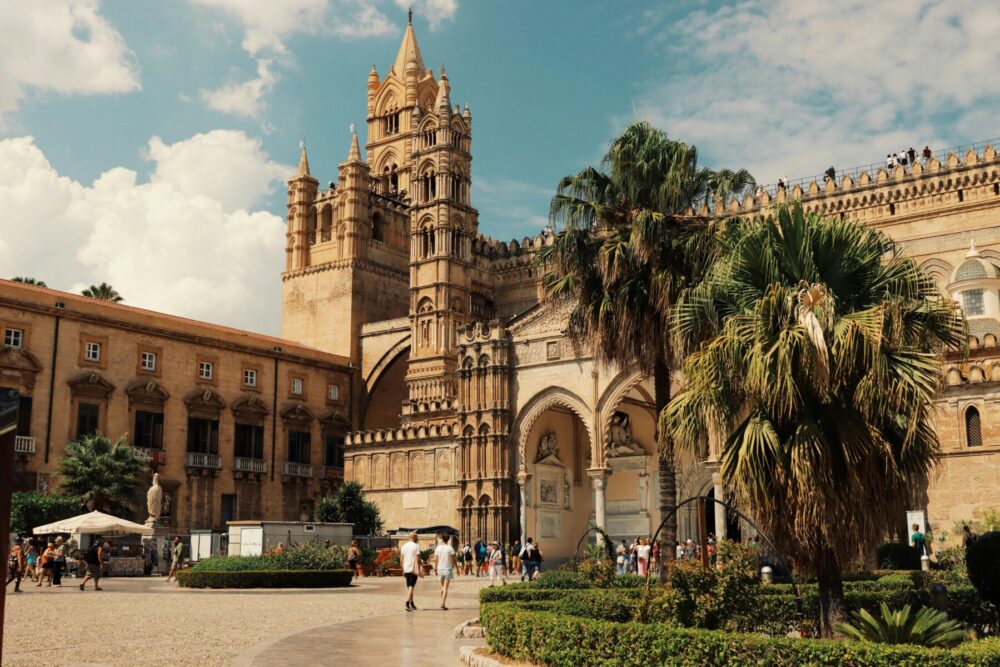
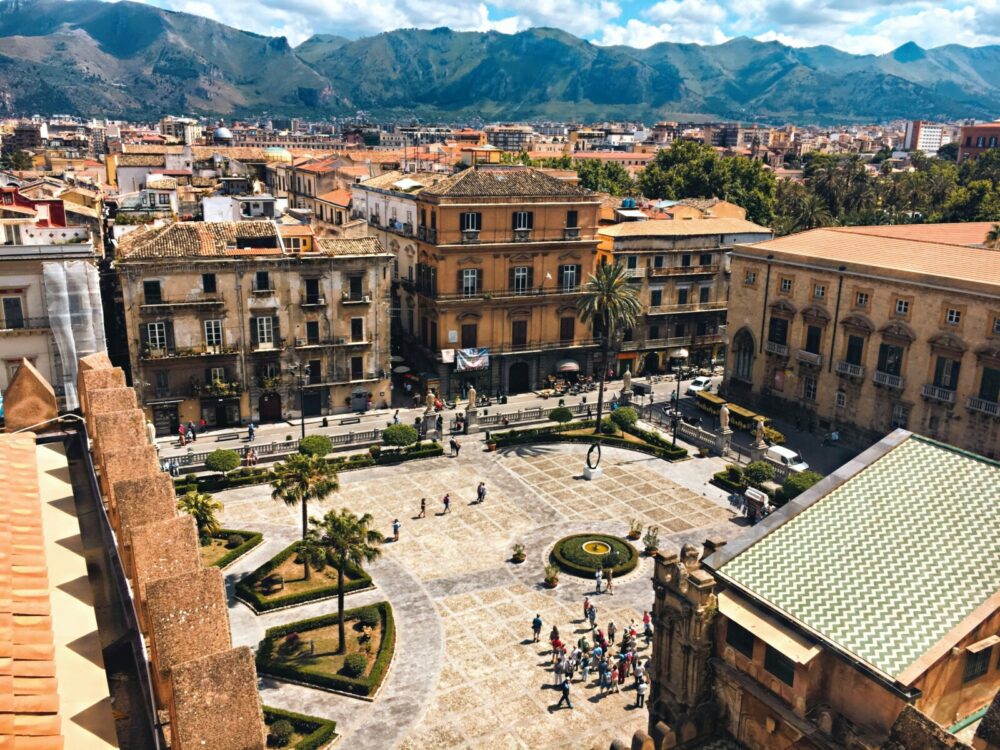
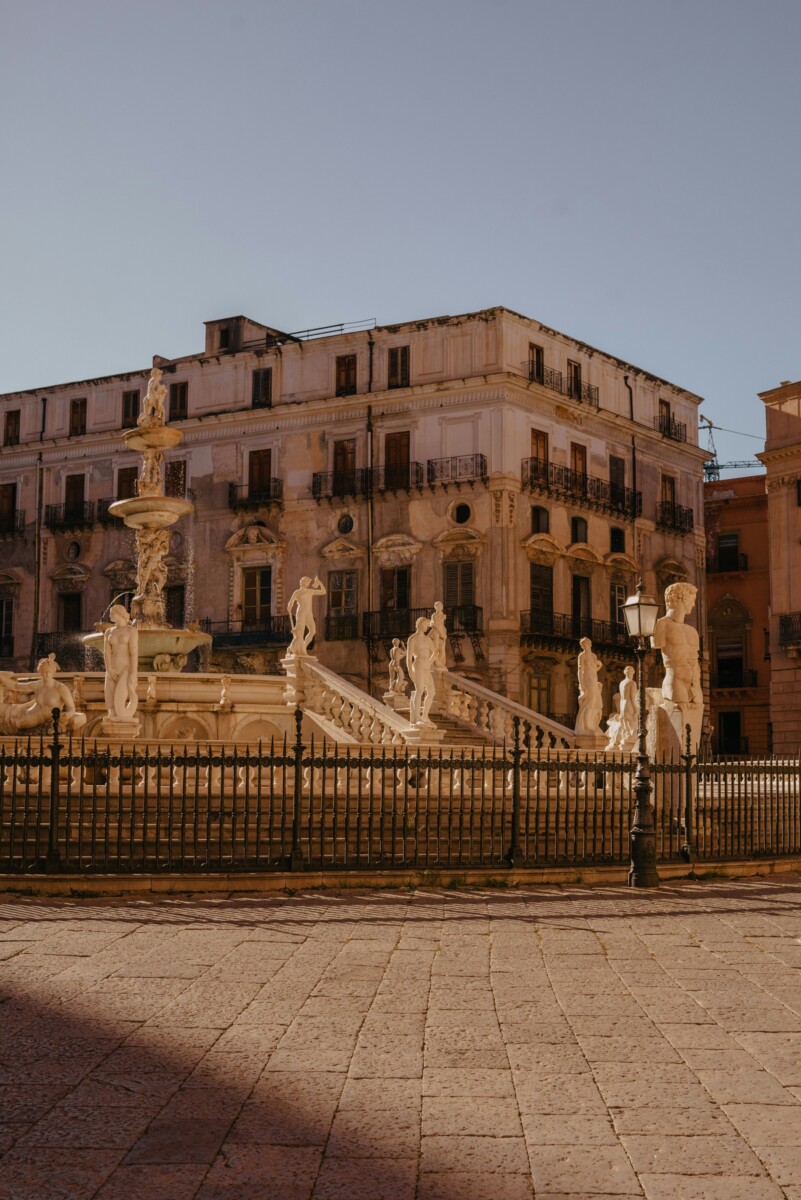
Western Sicily, too, boasts Baroque excellence, especially in its main city. Palermo is home to some of the island’s most spectacular Baroque churches, including the Chiesa del Gesù and the Chiesa di Santa Caterina, both embellished with stuccoes, polychrome marble and frescoed domes. Not far away, Palermo Cathedral bears witness to the layering of styles that has shaped the city over the centuries. The Kalsa district preserves palaces and monuments of Palermo that tell the story of Sicilian Baroque meeting other Mediterranean influences. In this part of Sicily, Baroque architecture blends with age-old traditions, offering a complete artistic and cultural experience, ideal for anyone wishing to discover history through unique details and atmospheres.
The Val di Noto, a UNESCO World Heritage site
The Val di Noto was recognised as a UNESCO World Heritage site thanks to the exceptional concentration of Baroque towns that represent the pinnacle of post-earthquake reconstruction. This area takes in towns such as Noto, Modica, Scicli and Ragusa Ibla, each with its own artistic identity. The streets and squares of these towns are home to monuments, churches and palaces that tell the story of Sicily’s rebirth, such as the Chiesa di San Matteo in Scicli or the Cathedral of San Giorgio in Ragusa Ibla. The Val di Noto is an unmissable itinerary for anyone wishing to immerse themselves in the wonders of Sicilian Baroque.
When to visit the Baroque towns
The best time to visit Sicily’s Baroque towns runs from spring to autumn, when the climate is mild and the light brings out the detail on the façades. In spring, events such as the Infiorata di Noto transform the streets into a burst of colour. Autumn, on the other hand, offers a quieter atmosphere and the chance to discover monuments such as the Chiesa di San Giuseppe in Ragusa Ibla without the summer crowds. Architecture lovers can plan itineraries that take in all the Baroque towns, enjoying landscapes and festivals that celebrate this artistic excellence.
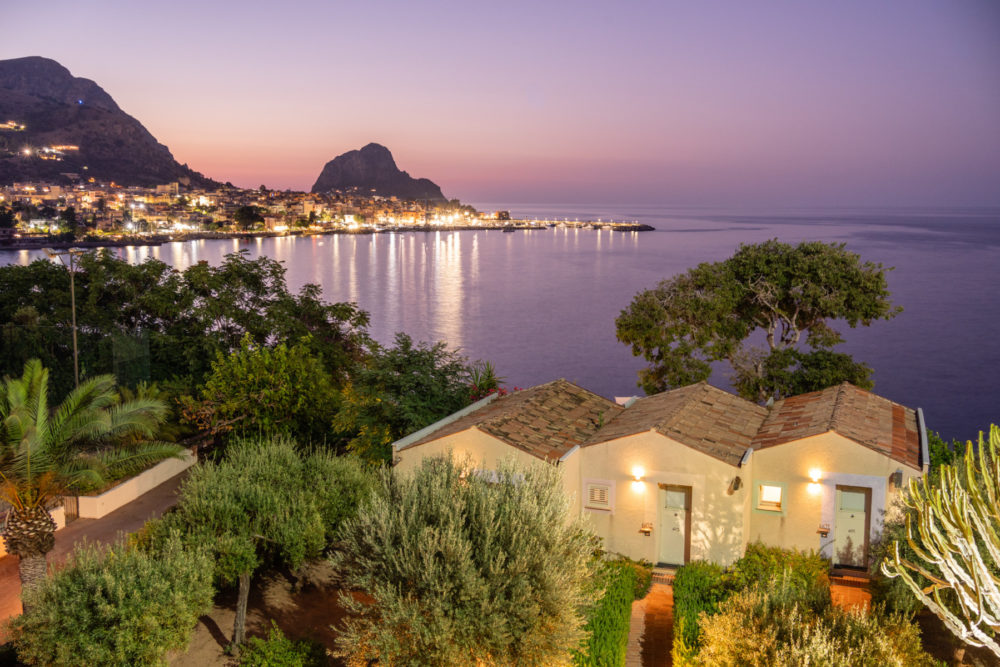
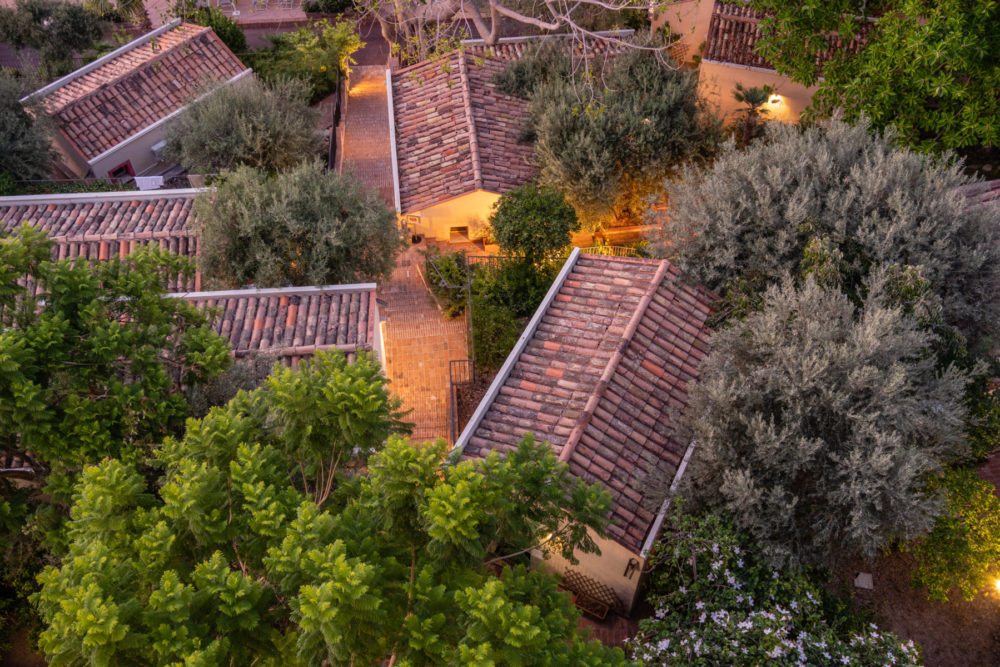
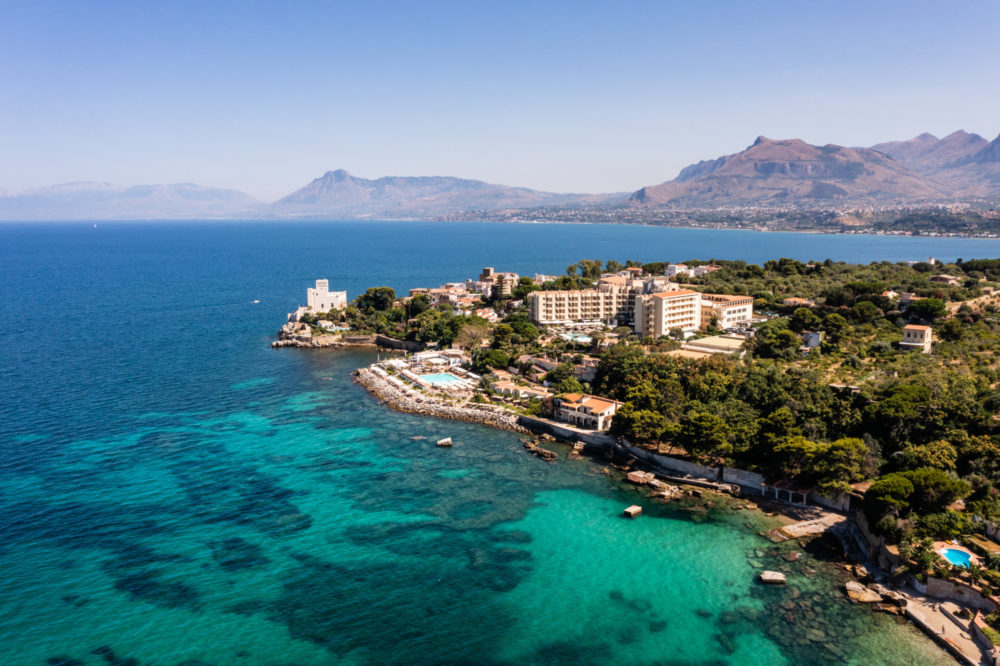
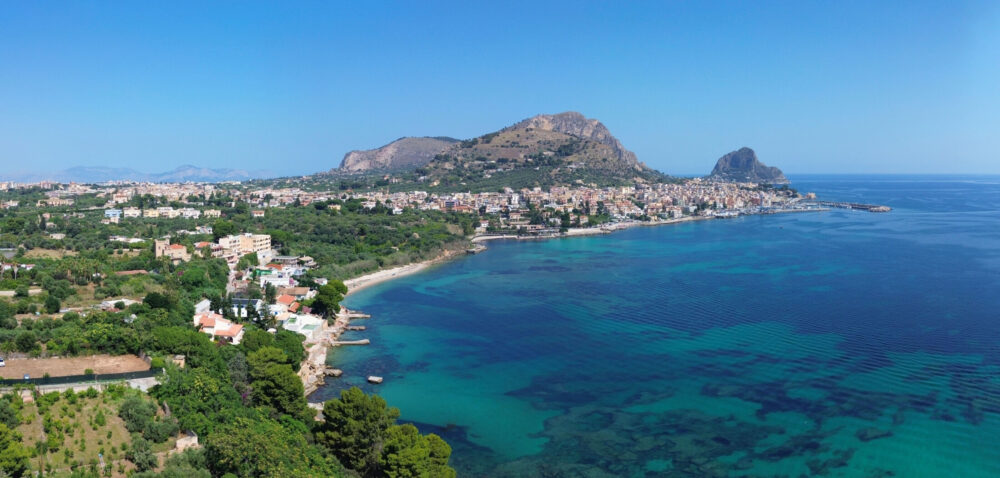
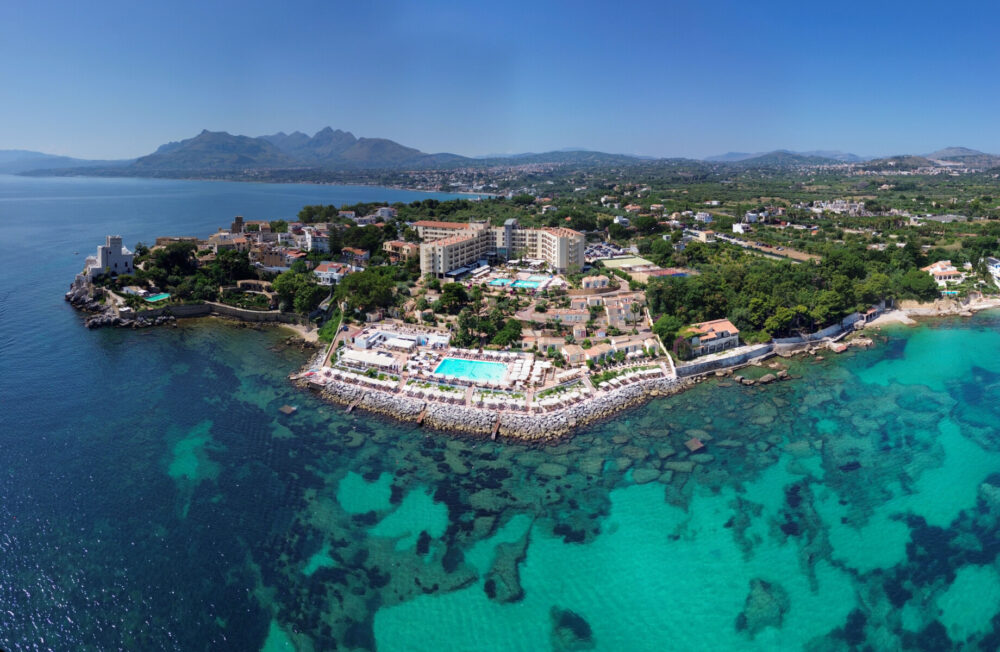
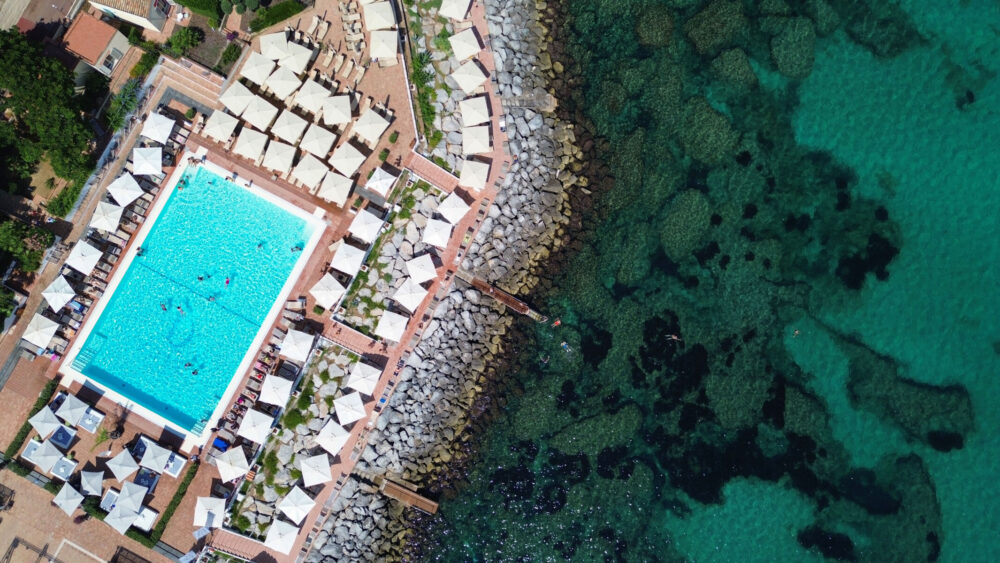
Let yourself be won over by the magic of Sicilian Baroque and enjoy an exclusive stay at the resort in Santa Flavia, just minutes from Palermo. Discover the timeless charm of the Baroque towns, and the culture and beauty of Sicily, treating yourself to the comfort and elegance of a property designed for those who seek quality and authenticity. Your next holiday will be a journey through art and history, amid unforgettable views and refined atmospheres.