Borgo Parrini: Sicily’s little Barcelona
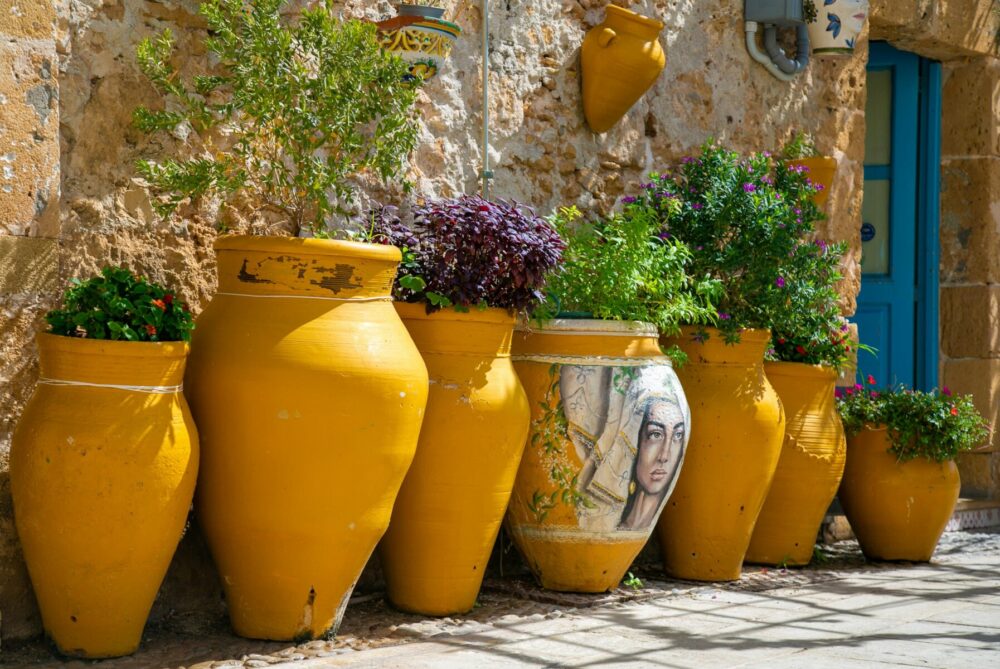
Among the most surprising villages in Sicily, Borgo Parrini stands out for its colors, architecture, and history. This tiny hamlet near Partinico has become known for its brightly painted houses inspired by Gaudí, making it an appealing stop if you’re looking for something a little different. Walking through its streets feels like stepping into a painting, with stories in every detail and a distinctly Mediterranean character expressed in unexpected shapes and colors.
Where is Borgo Parrini, and how do you get there?
Borgo Parrini is a hamlet in the municipality of Partinico, in the province of Palermo in northwestern Sicily, about 30 kilometers from Palermo. If you’re driving from Palermo, take the A29 highway toward Trapani and exit at Partinico. The village is a few kilometers from there, with a large parking area at the entrance. You can also take a bus to Partinico and continue by local taxi. Borgo Parrini’s colorful houses are easy to spot against the surrounding Sicilian countryside.
The village’s history: Jesuit origins, decline, and a Gaudí-inspired revival
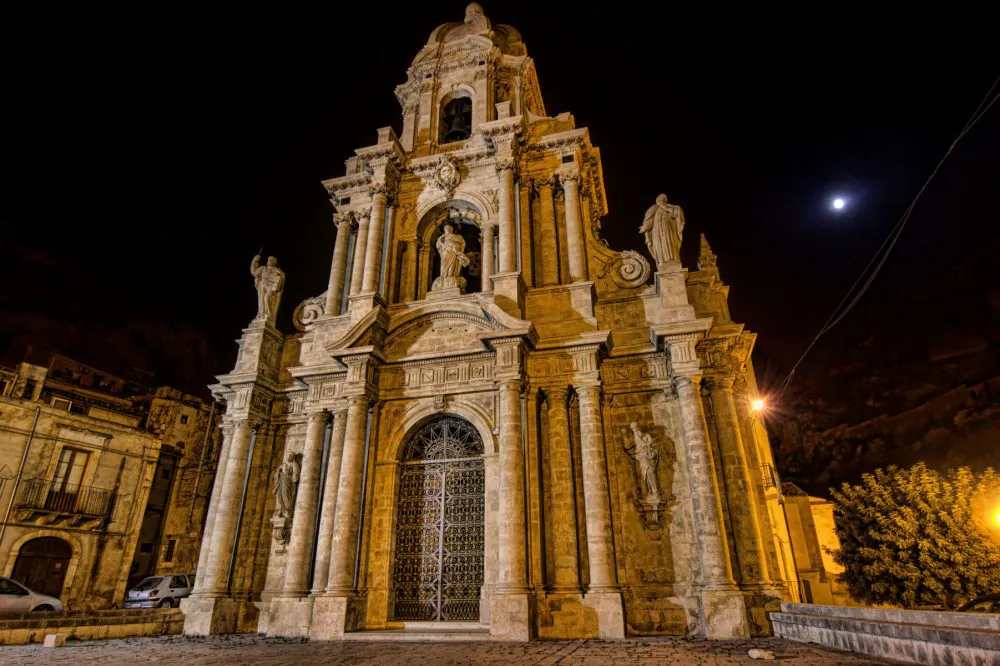
The village dates back to the 16th and 17th centuries, when the Jesuit fathers of Palermo’s novitiate acquired farmland northeast of Partinico. Known in the local dialect as “parrini,” they gave the village its name. In the 18th century, they built a church and organized a farming community among the vineyards and citrus groves. After the order was suppressed in 1767, the settlement lost its importance. It emptied out after World War II and fell into disrepair. Its revival came more recently, as residents and artists drew inspiration from Antoni Gaudí to restore the houses with mosaics, glazed ceramic tiles, and vivid colors, turning Borgo Parrini into an open-air museum. Very few people live here today, but the village remains well cared for and full of life thanks to those who brought it back.
What is there to see?
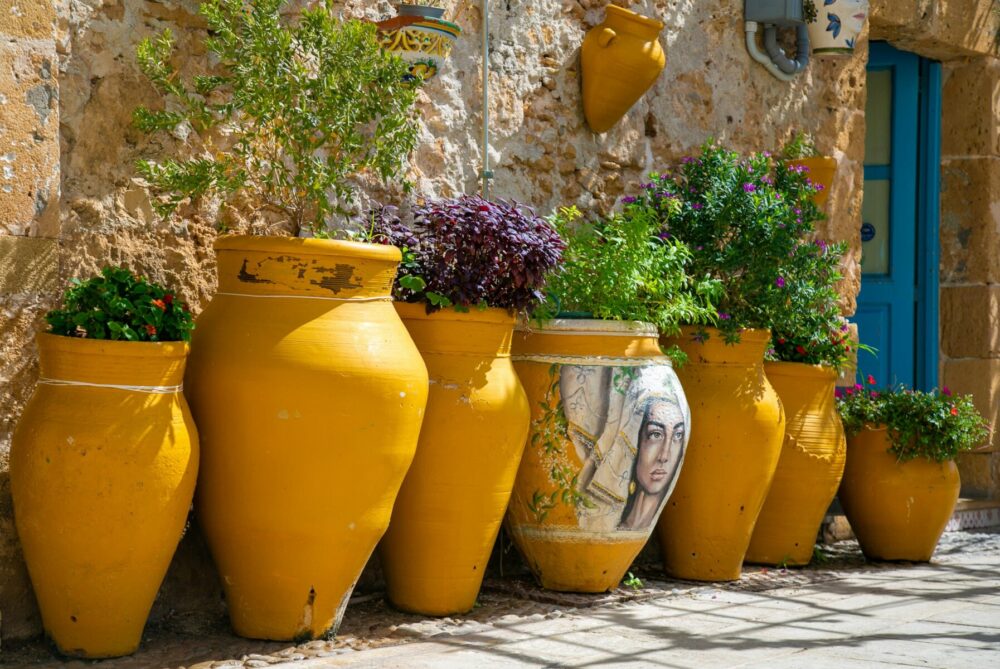
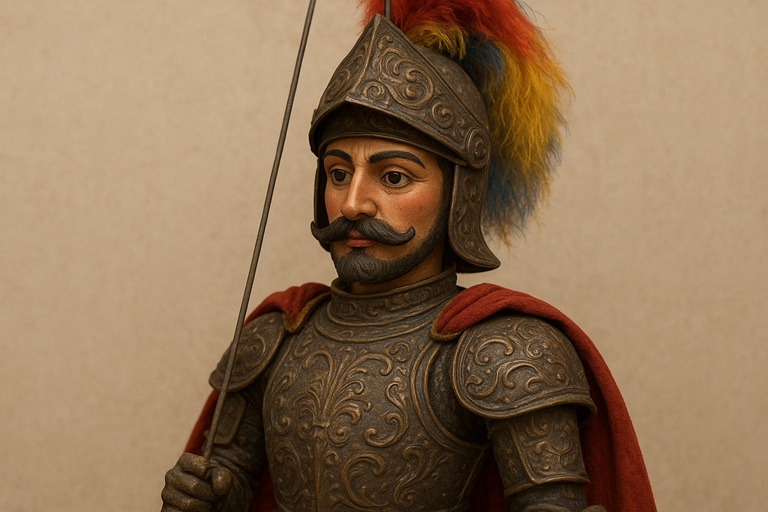
As you walk through the village, look for the colorful house facades decorated with glass mosaics, ceramics, and geometric patterns. Murals depict figures such as Frida Kahlo, Nelson Mandela, and Gaudí himself, alongside well-known quotations by Gandhi and others. The small 18th-century Jesuit church is worth a stop, as are the art installations lining the narrow streets, which make wonderful photo subjects. Some private house museums display traditional Sicilian puppets and ceramics, and may ask for a small contribution to visit. Entry to the village is free, with no set opening hours, so you can stroll around whenever you like.
How long should you spend here, and when is the best time to go?
A visit to Borgo Parrini can take anywhere from a couple of hours to half a day, depending on how much time you want to spend exploring and meeting local artists. Spring is the best season to visit, with comfortable temperatures and colors that glow in the Sicilian sunshine. Fall is lovely too, while at Christmas a live Nativity scene brings extra atmosphere to the village.
What to see nearby: Partinico, the Gulf of Castellammare, and Zingaro
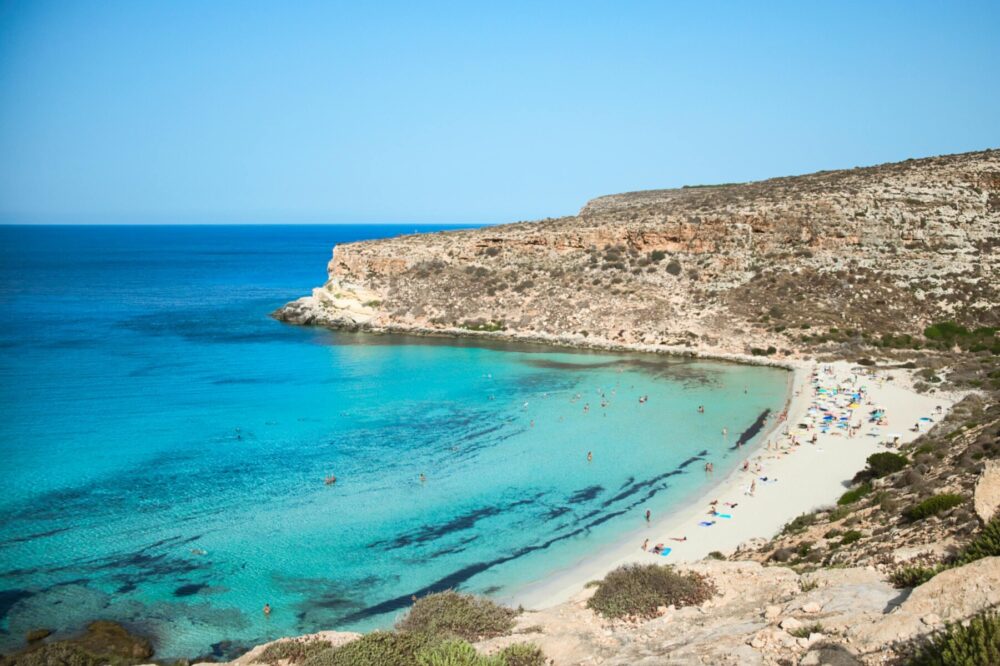
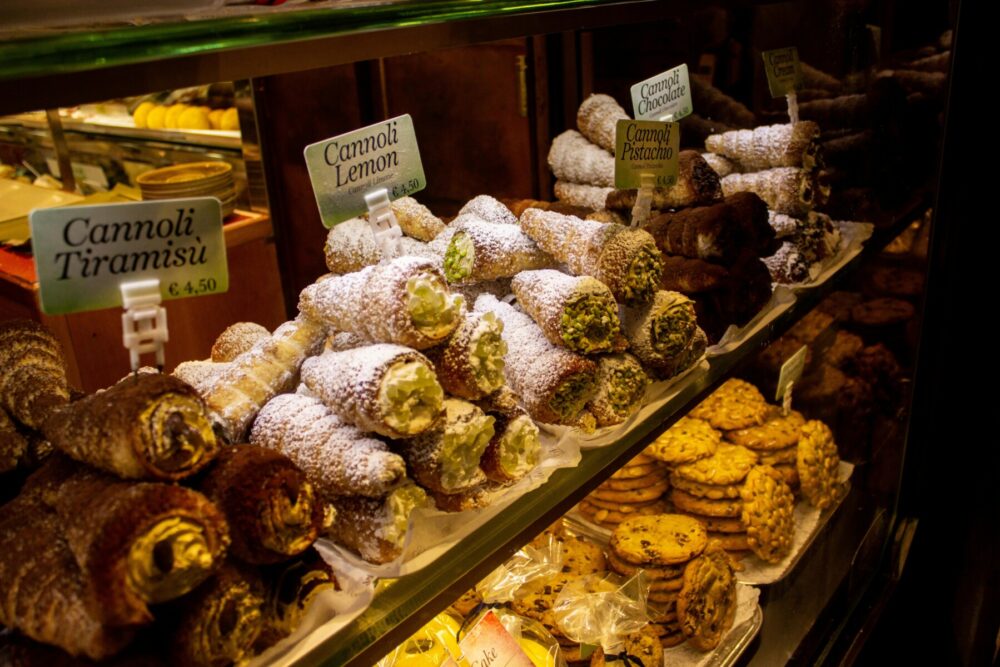
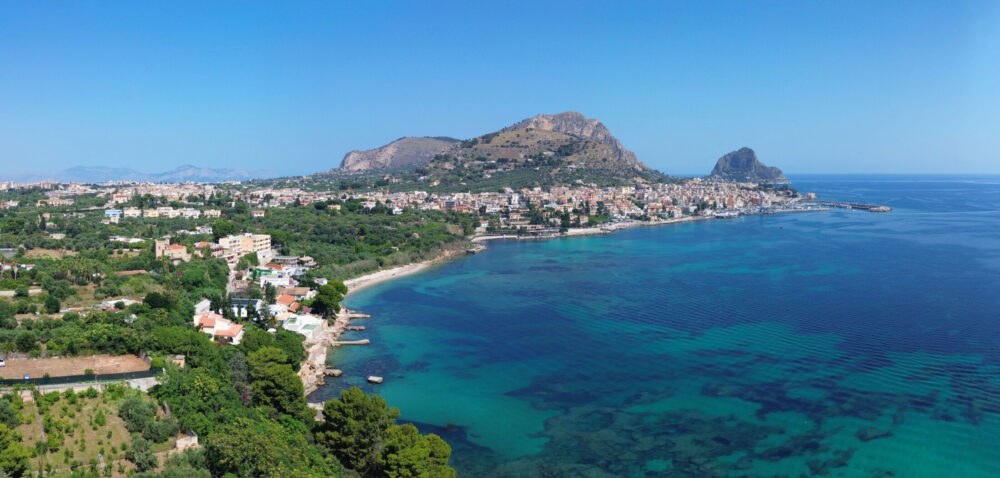
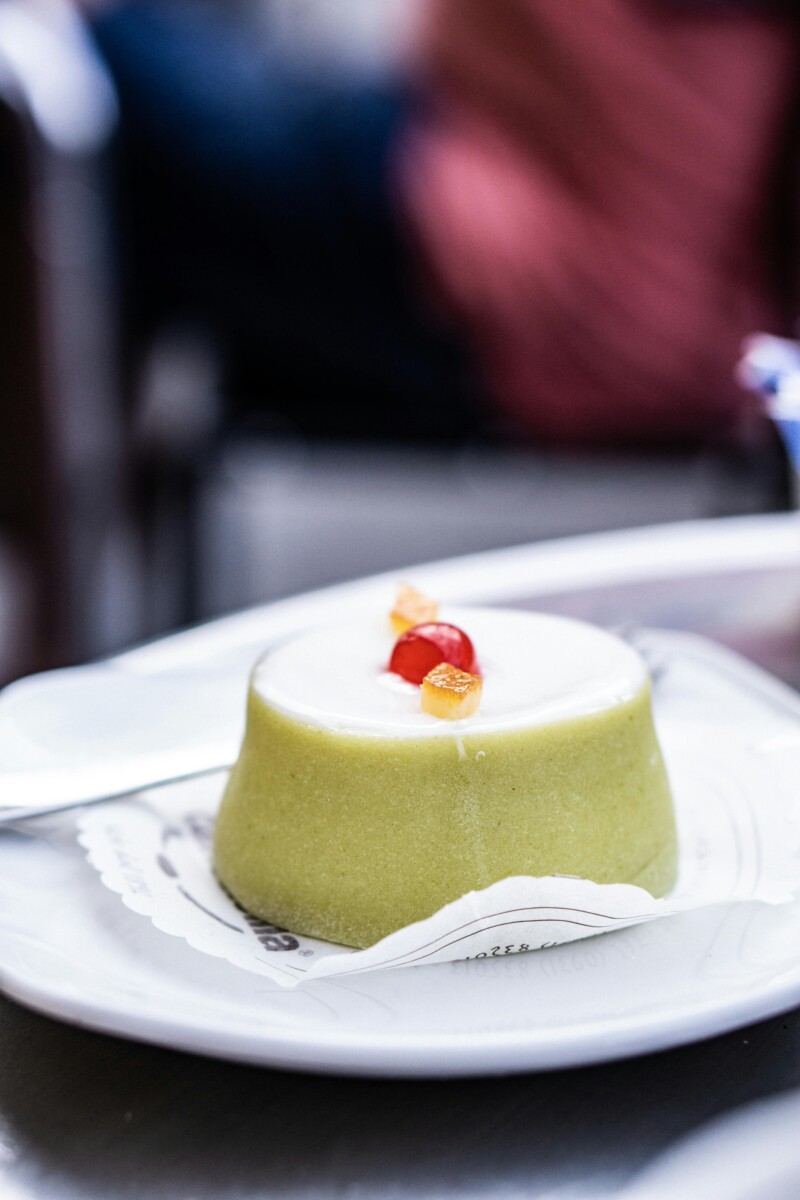
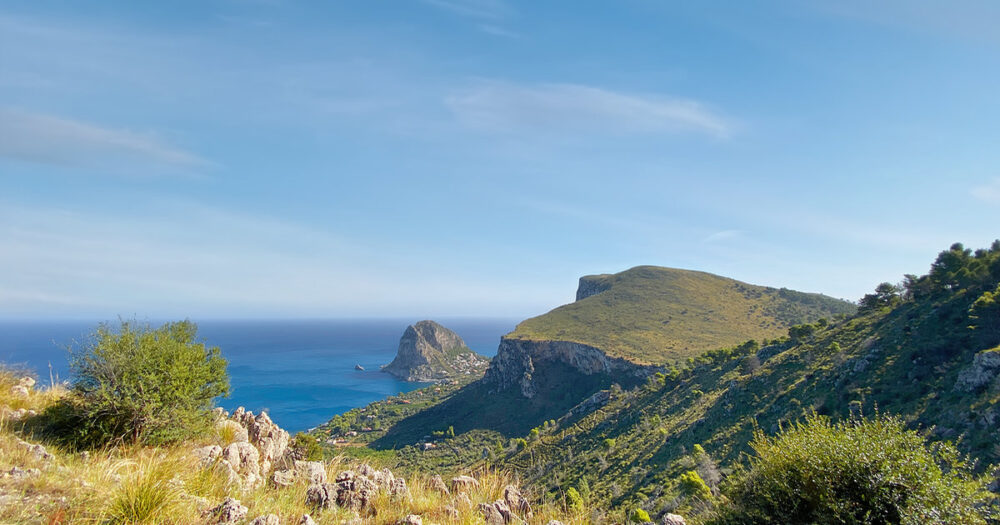
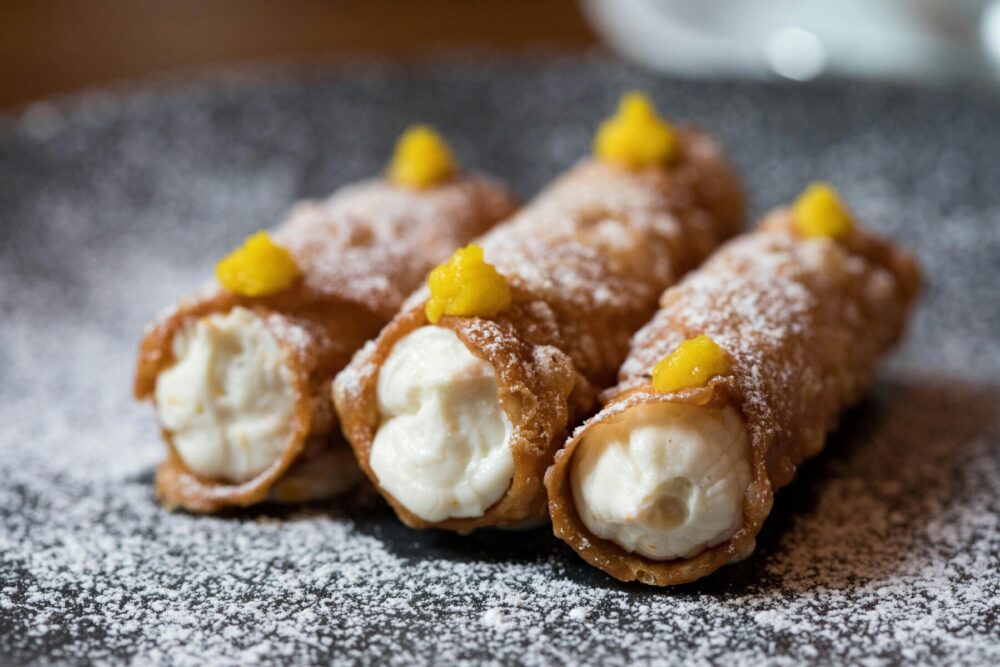
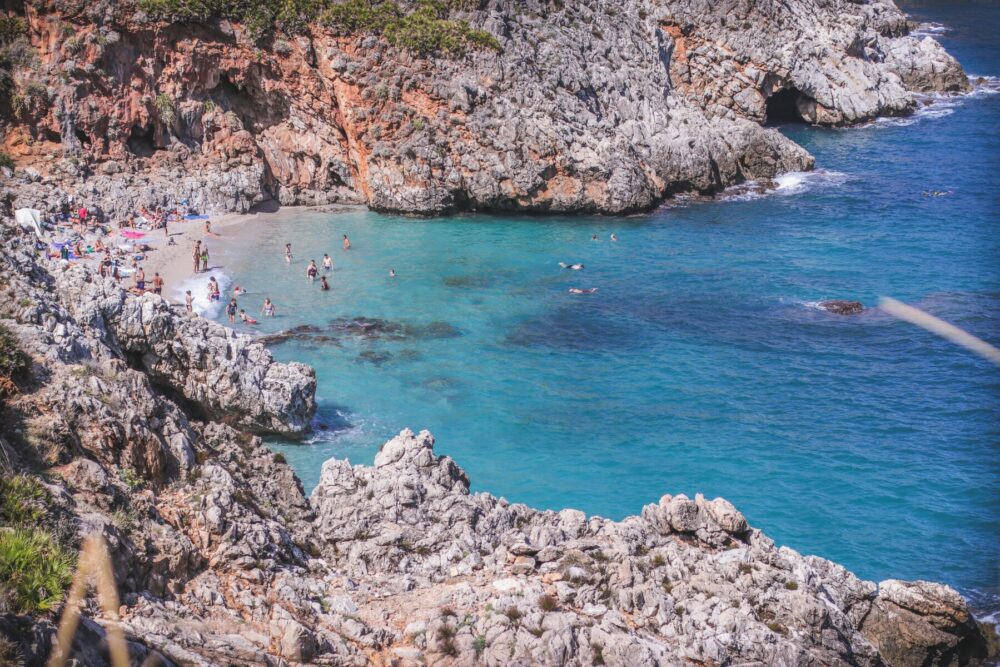
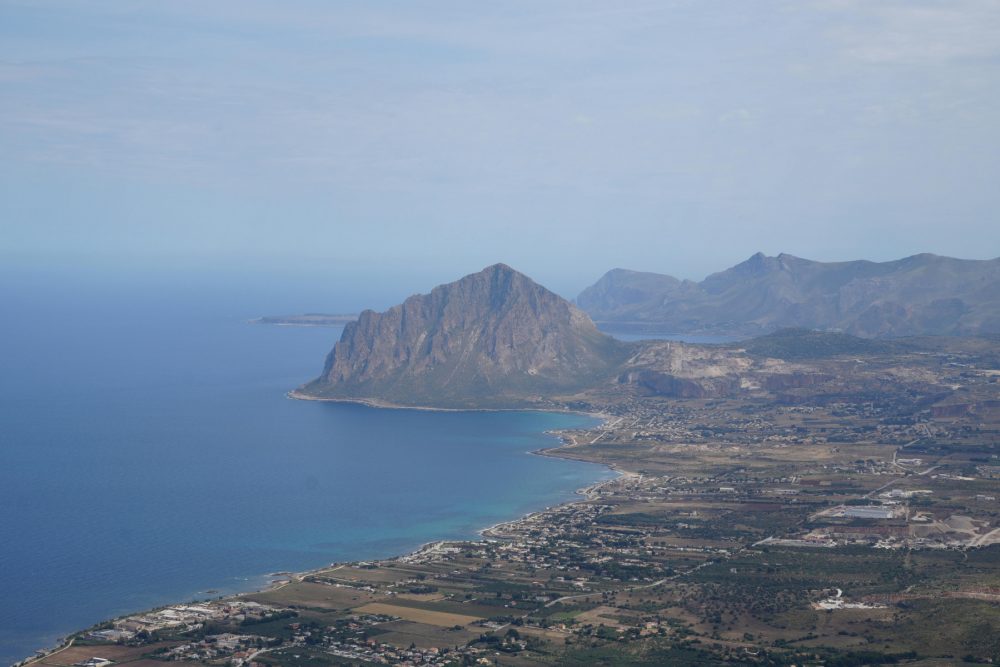
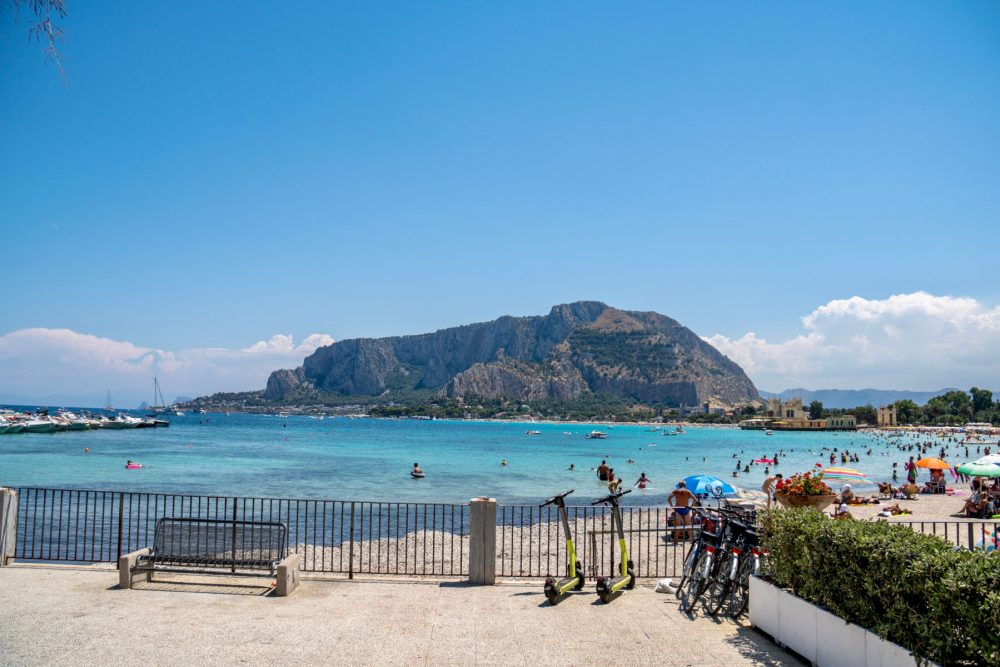
There are plenty of worthwhile places to explore around Borgo Parrini. Start with Partinico’s historic center and its main church. A few kilometers away, the Gulf of Castellammare is ideal for a day by the sea, while the Zingaro Nature Reserve, about a 40-minute drive away, is known for its trails, secluded coves, and diverse Mediterranean plants and wildlife. Together, these destinations add culture, nature, and local traditions to your visit, offering a fuller picture of Sicily. For something sweet along the way, Partinico has plenty of places to try granita, cannoli, and other Sicilian specialties.
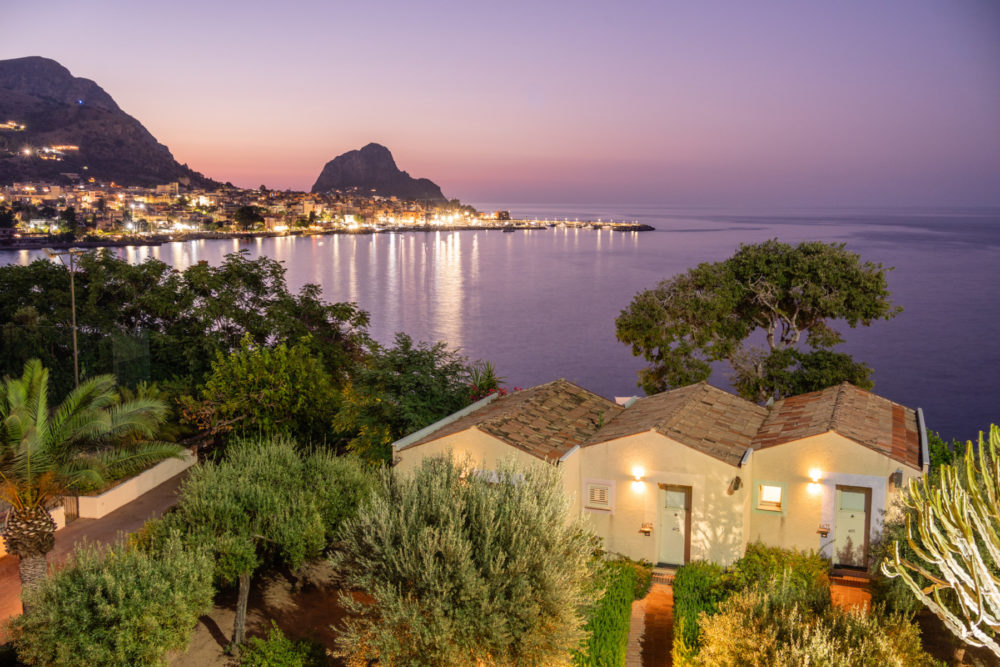
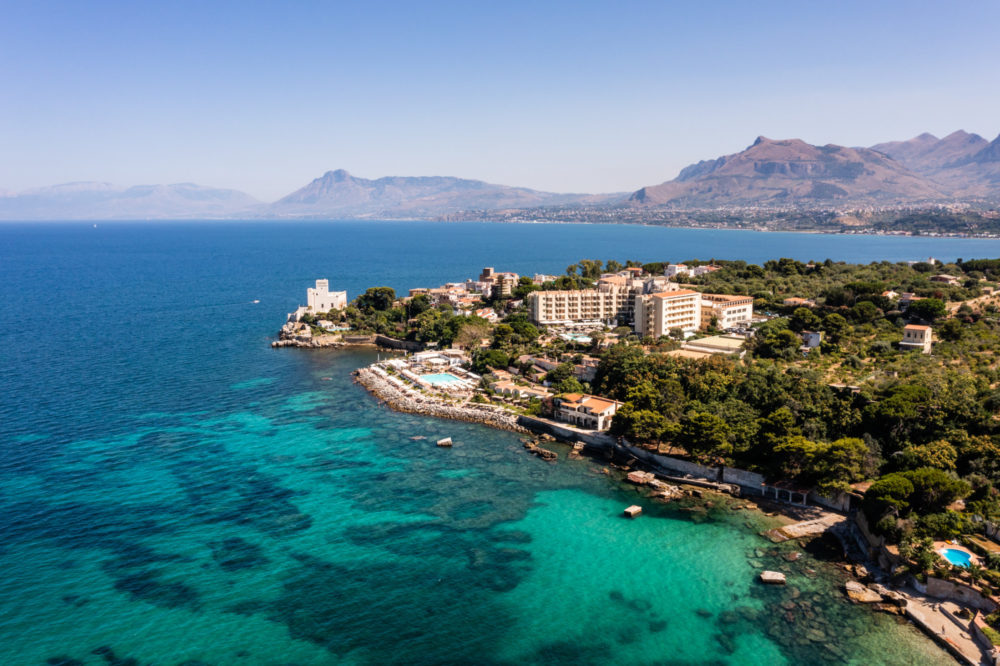
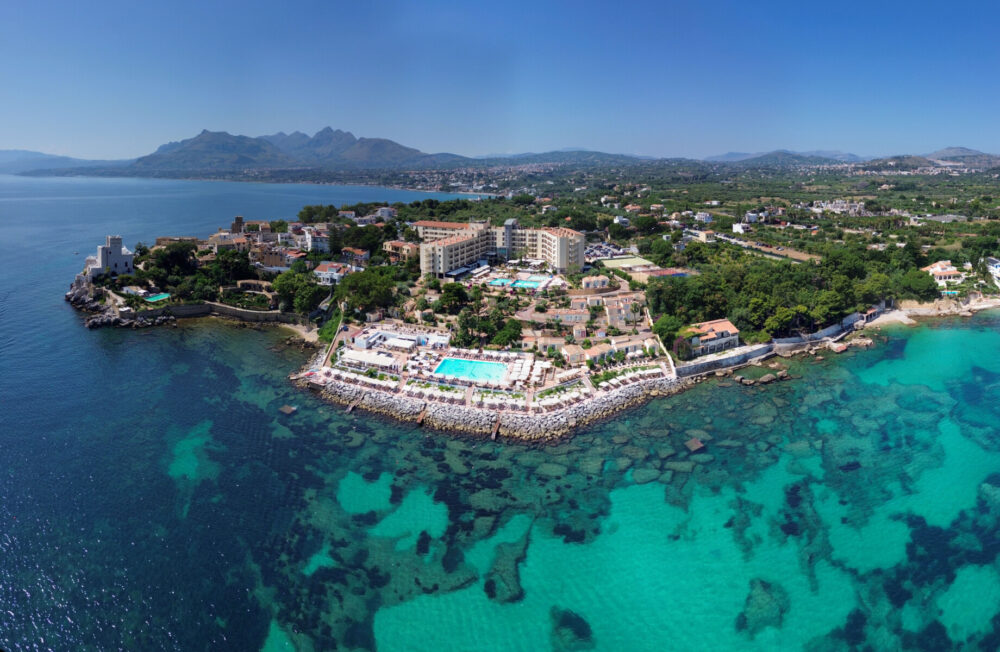
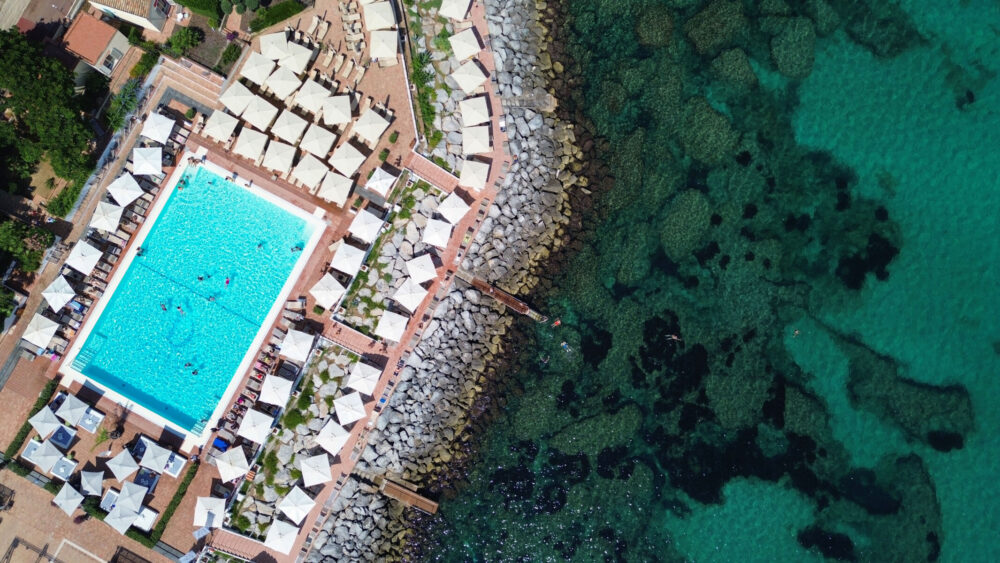
For a stylish stay while exploring the island’s hidden corners, choose a seafront hotel in Santa Flavia as your base for Borgo Parrini and the surrounding area. A colorful side of Sicily awaits, rich in art, history, and local traditions.