Palermo’s Historic Markets: A Journey Through the City’s Stalls
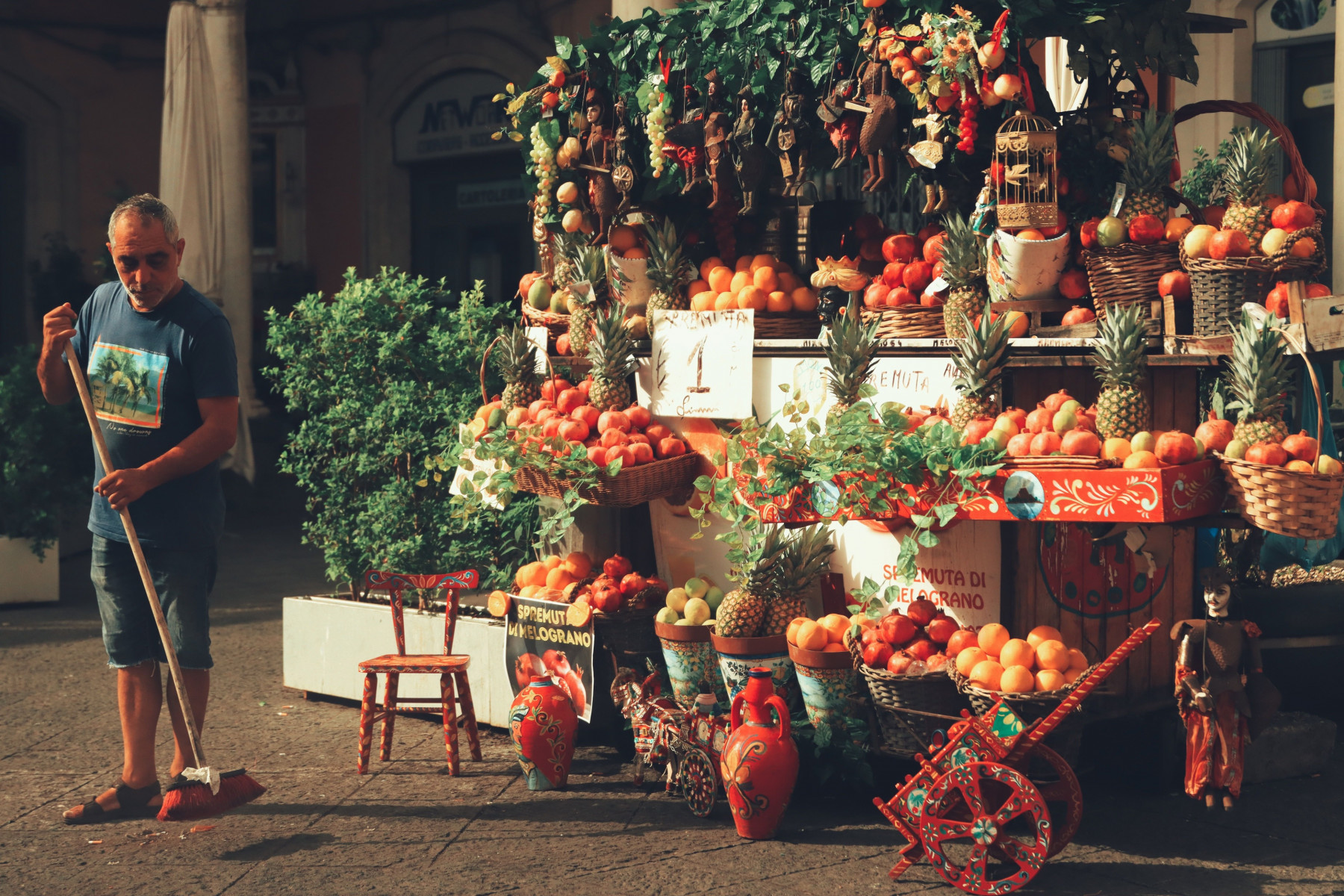
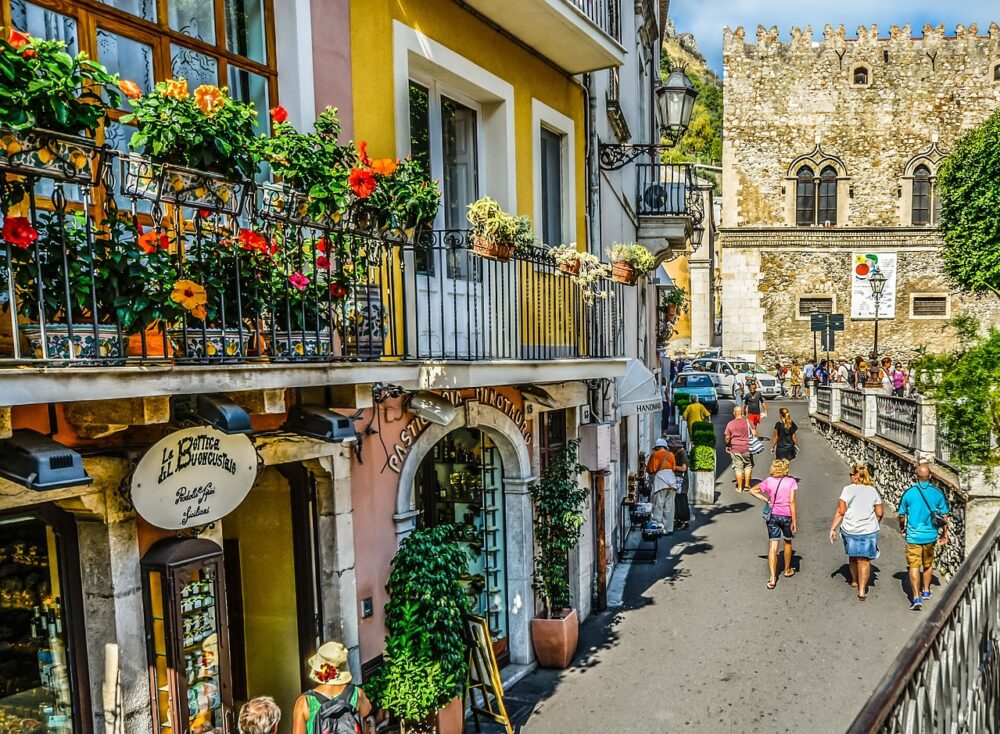
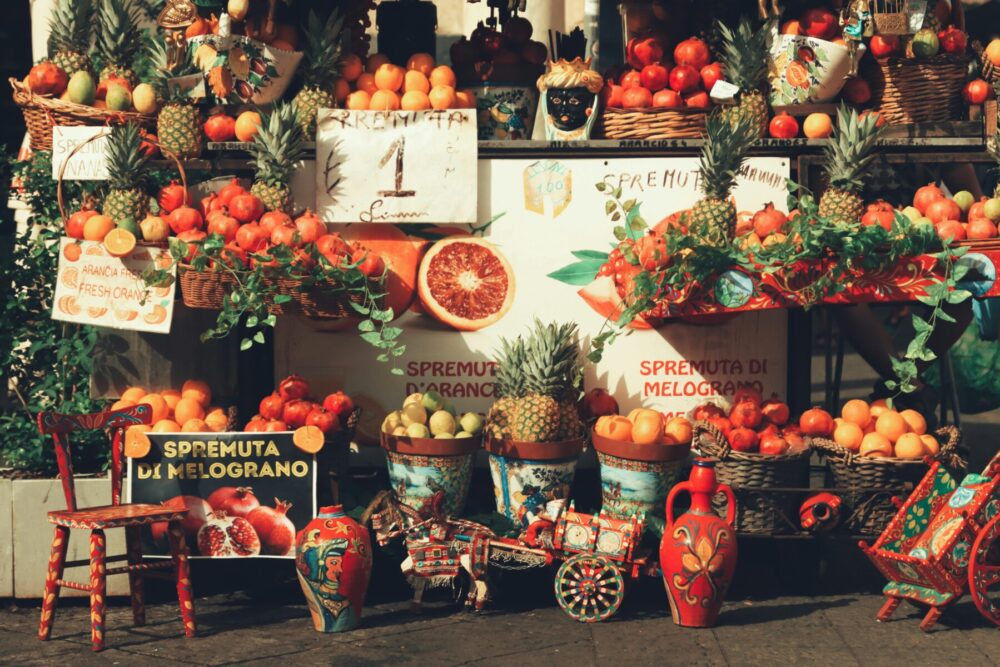
Walking through Palermo’s markets means immersing yourself in a world of colours, scents and sounds that reveal the true essence of the city. Every corner unveils age-old traditions and a unique vitality, where history blends with everyday life and local food and wine offer authentic experiences. From the fish stalls to the oriental spices, each market reveals secrets and curiosities for anyone wishing to discover the most genuine, lively side of Palermo.
Which are Palermo’s historic markets
At the heart of Palermo lie historic markets that embody the city’s living memory. Among the most famous are Ballarò, the legendary Vucciria, the picturesque Mercato del Capo and the lively Borgo Vecchio. Each of these places has its own soul, reflecting the Arab, Norman and Spanish influences that have shaped Palermo. Walking among the stalls, you can sense culinary traditions, dialects and daily rituals that make every visit a unique experience, especially for those who love encountering Sicilian authenticity away from the more well-trodden tourist routes.
Ballarò, the city’s oldest market
Known as the Ballarò market, it enchants visitors with its lively, bustling atmosphere. Along its narrow lanes you’ll find stalls of every kind and local specialities: to discover it in detail, we recommend reading the article dedicated to this historic Palermo market.
The Vucciria, from market to nightlife
The Vucciria is a symbol of Palermo, as famous for its past as a working-class market as for its transformation into the beating heart of the city’s nightlife. Here, in the streets around Piazza San Domenico, you can breathe in the city’s multicultural soul: by day, fresh fish, spices and local produce are sold, while in the evening bars and kiosks bring the streets to life with music and street food. The difference between the Vucciria and Ballarò lies precisely in their atmosphere: the former more chaotic and old-world, the latter more youthful and vibrant. A place that never stops surprising.
The Mercato del Capo
Set between Porta Carini and Via Volturno, the Mercato del Capo is captivating for its authenticity and the abundance of produce on offer. The stalls wind through a maze of alleyways selling vegetables, meat, fish, spices and traditional sweets. Wandering here, you can discover hidden corners such as the Chiesa dell’Immacolata Concezione and savour genuine neighbourhood life. Il Capo still retains the charm of the old Arab markets, echoing the flavours and traditions of the Mediterranean, making it an unmissable stop for anyone seeking a genuine experience among Palermo’s historic markets.
Borgo Vecchio, the market that comes alive at night
Among the liveliest markets is Borgo Vecchio, known for its night-time atmosphere and stalls that stay open until late. Set between Via Enrico Albanese and Piazza Sturzo, the market really comes alive after sunset, becoming a gathering point for young people and families keen to enjoy street food such as panelle sandwiches and crocché. Here, the true popular spirit of Palermo shows itself in full force, making Borgo Vecchio a perfect destination for anyone who wants to experience the city beyond daylight hours. A different kind of experience compared to the more traditional markets, and a stop not to be missed.
What days and times Palermo’s markets are open
The days and opening times of Palermo’s markets vary according to each neighbourhood’s tradition. Generally, Ballarò and Il Capo are open every day, from morning until late afternoon, with hours that can extend to around 7pm. Palermo’s fish market, an integral part of the Vucciria, is busiest in the morning, while Borgo Vecchio stands out for its evening opening hours, especially at weekends. It’s best to visit the markets in the early hours of the day to experience the most authentic atmosphere and make the most of the freshest produce.
What to eat at Palermo’s markets
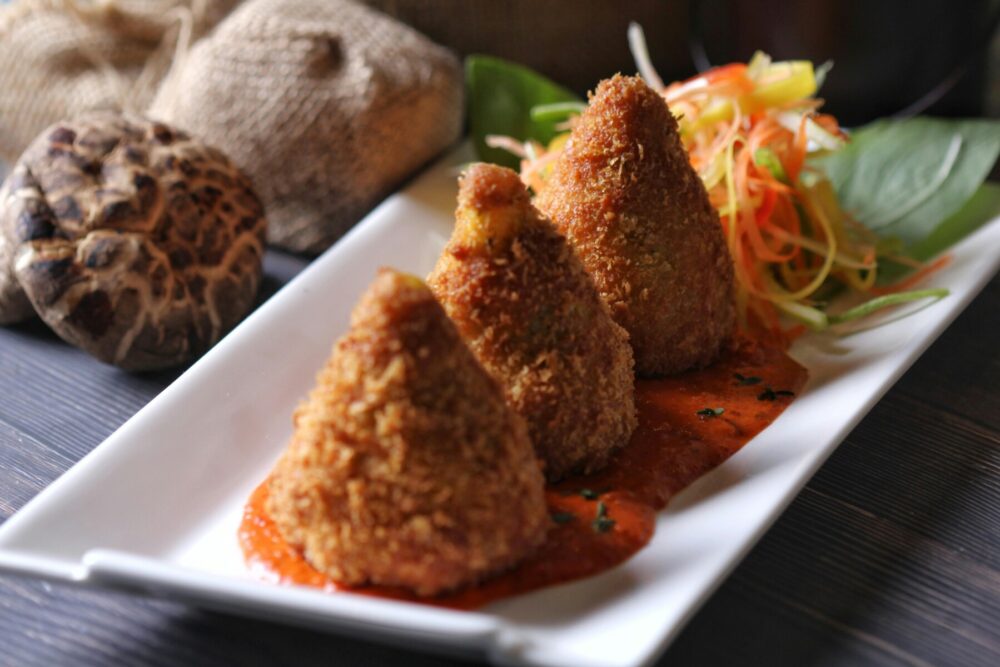
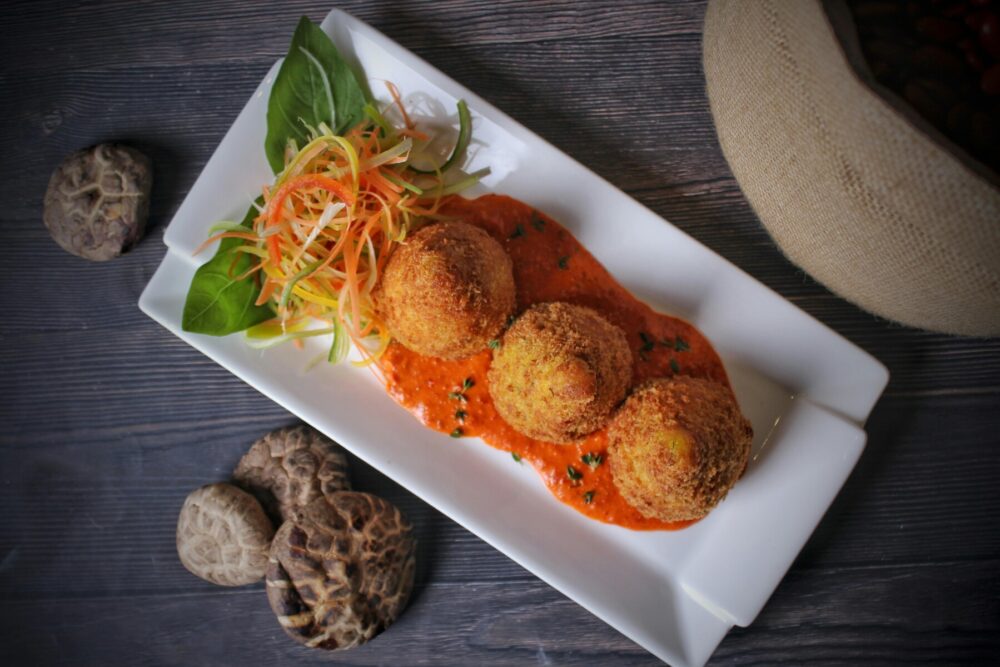
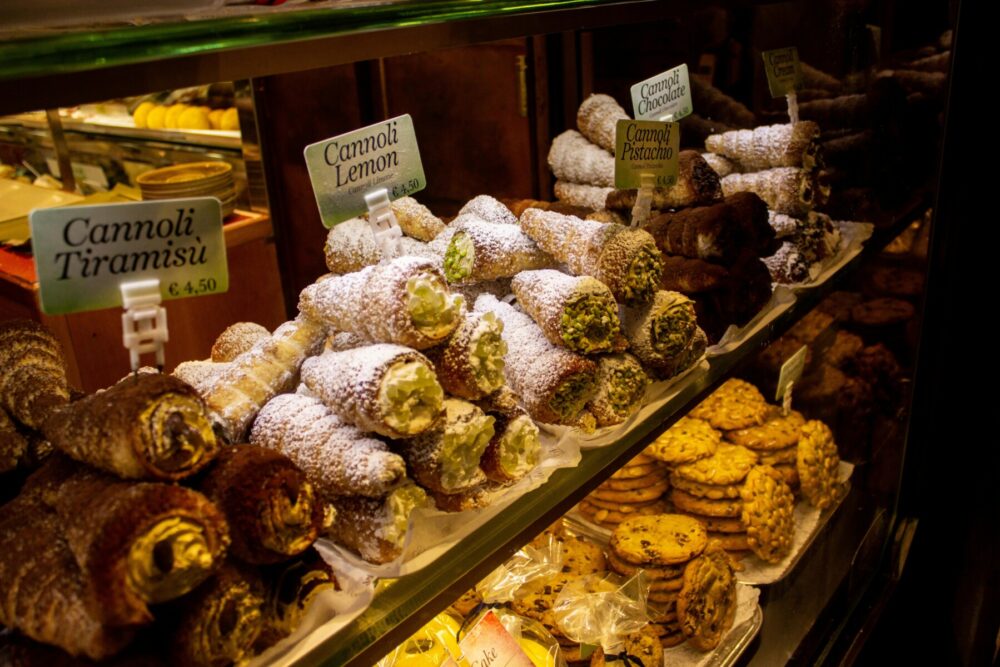
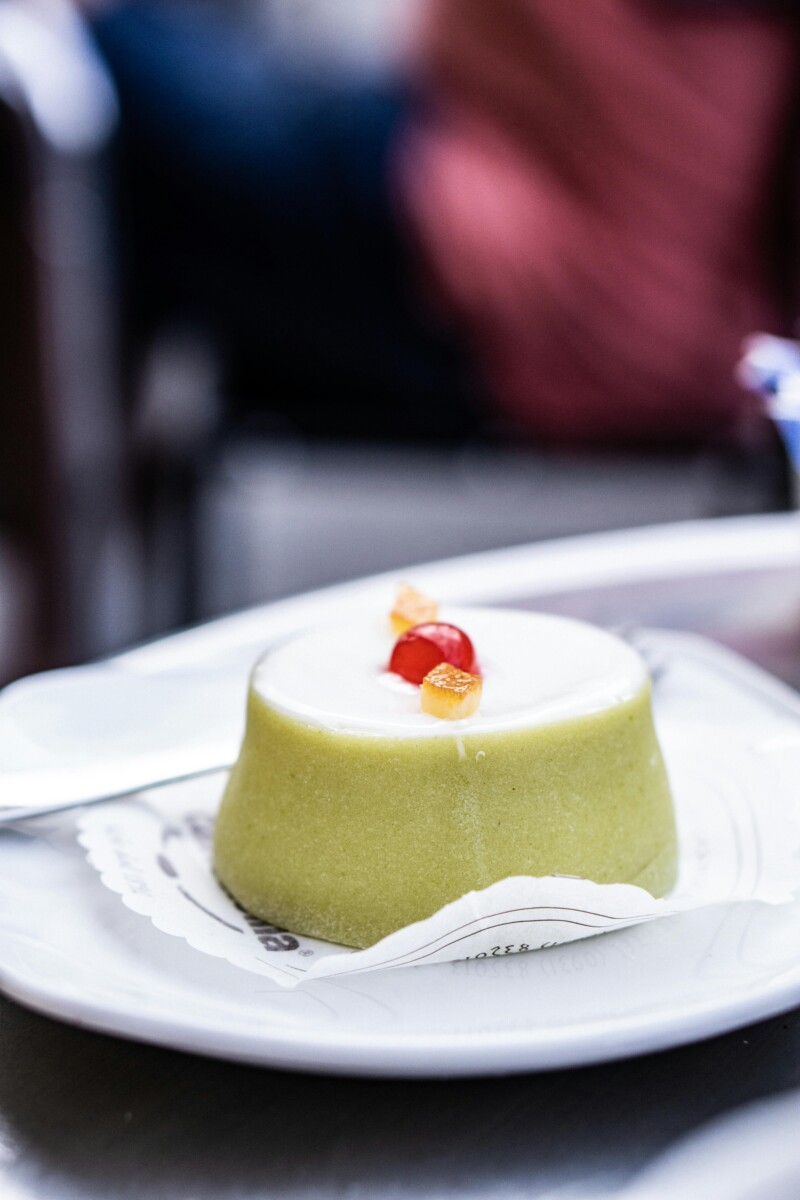
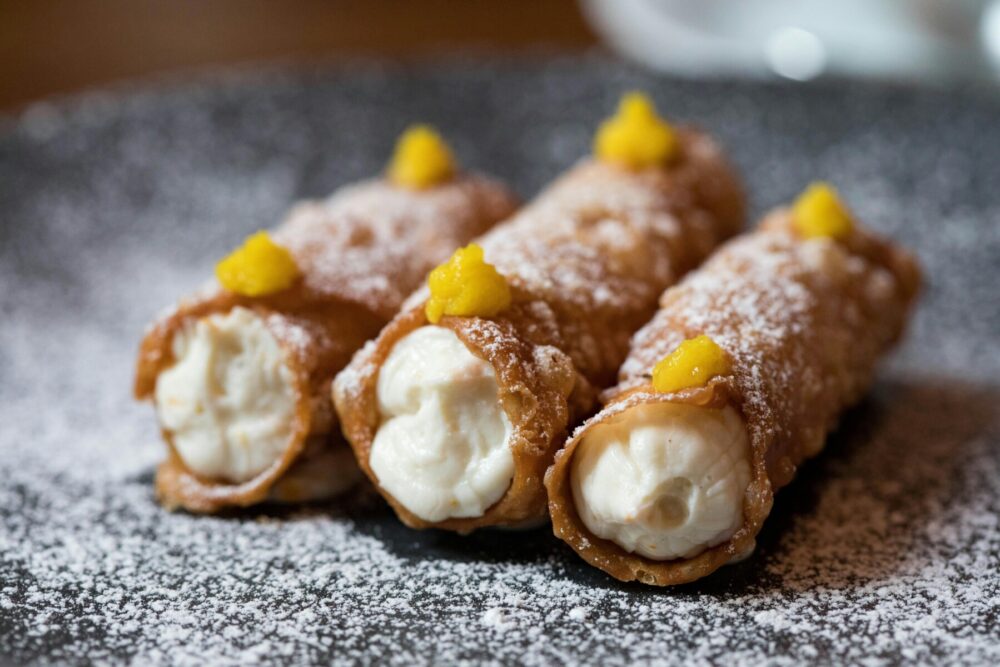
A trip to the historic markets wouldn’t be complete without sampling the local specialities. To discover where to eat in Palermo, must-tries include pane e panelle, arancine, sfincione, and the famous pani ca’ meusa, best sampled among the stalls of the Vucciria. And what should you eat at Ballarò? Here you’ll also find boiled octopus, caponata and stigghiola, dishes that reflect the city’s popular tradition. The markets never lack sweets like cannoli and cassate, perfect for a sweet break between one stop and the next.
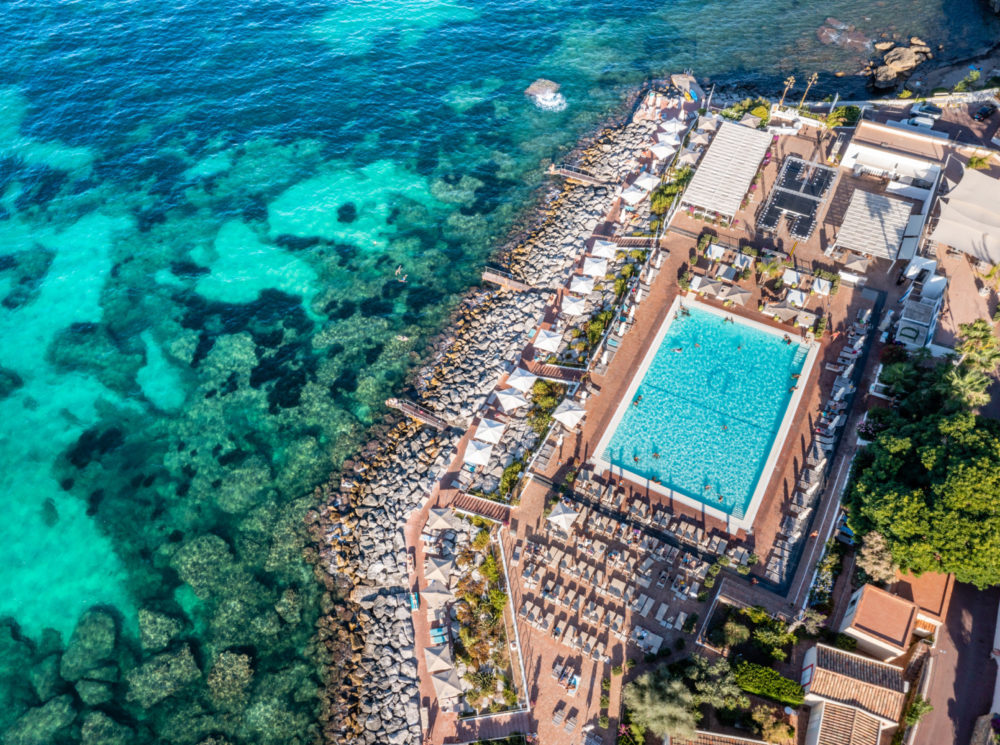
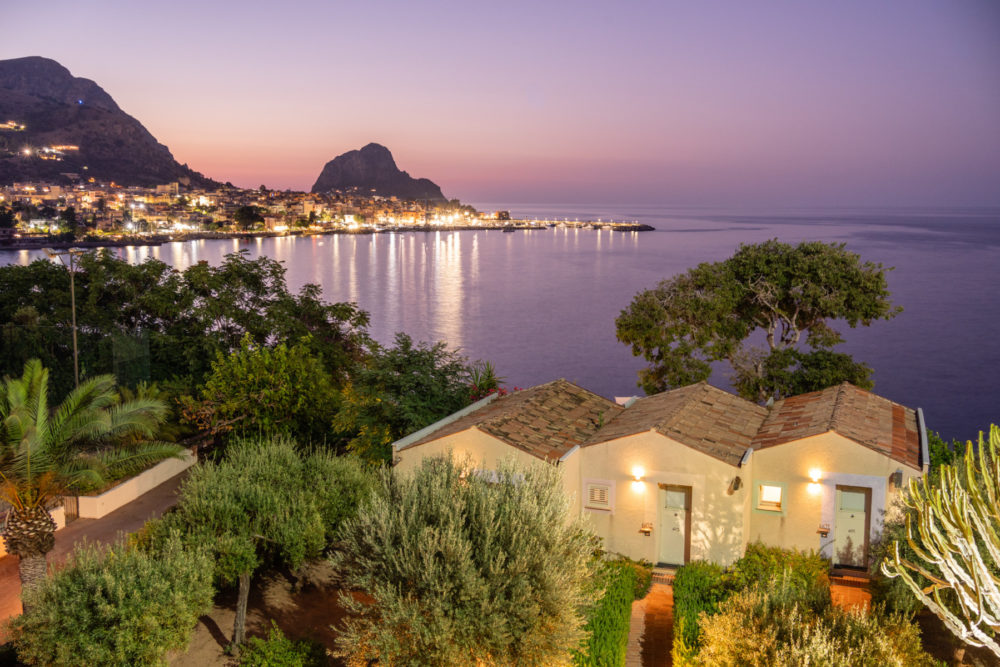
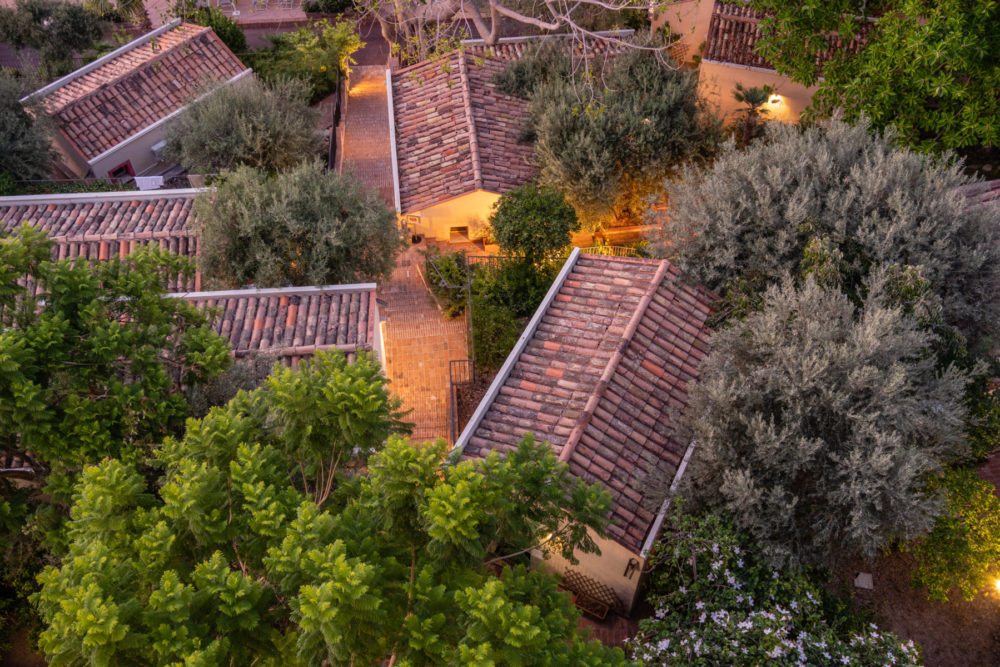
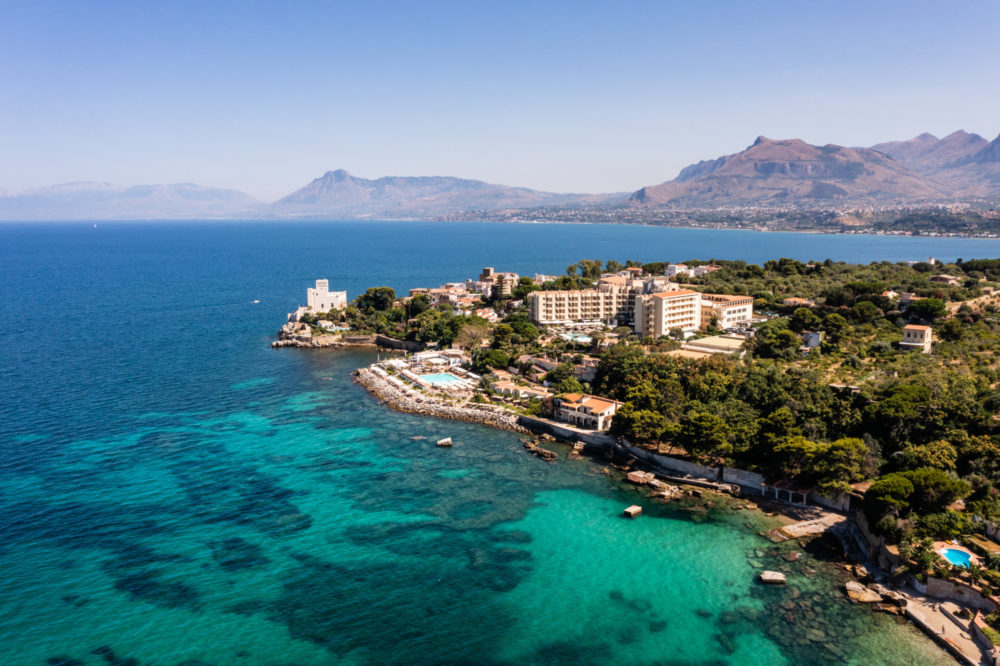
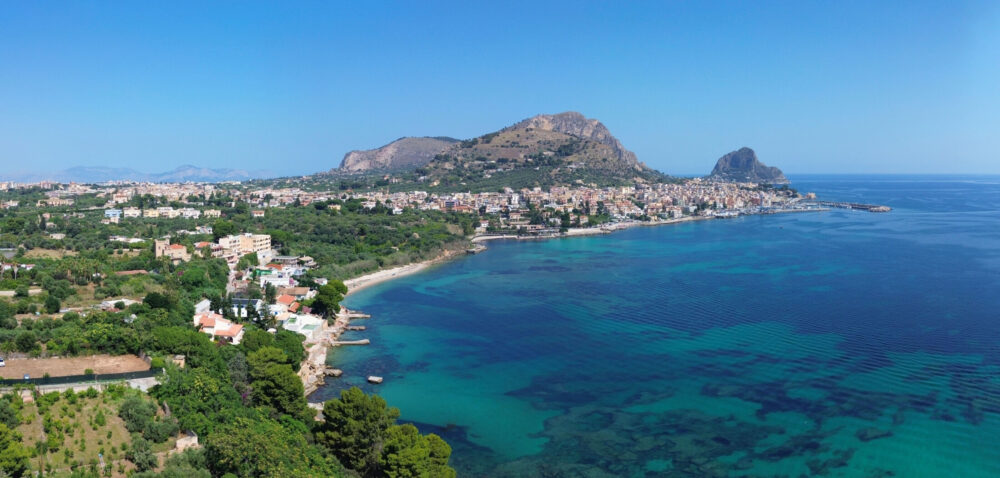
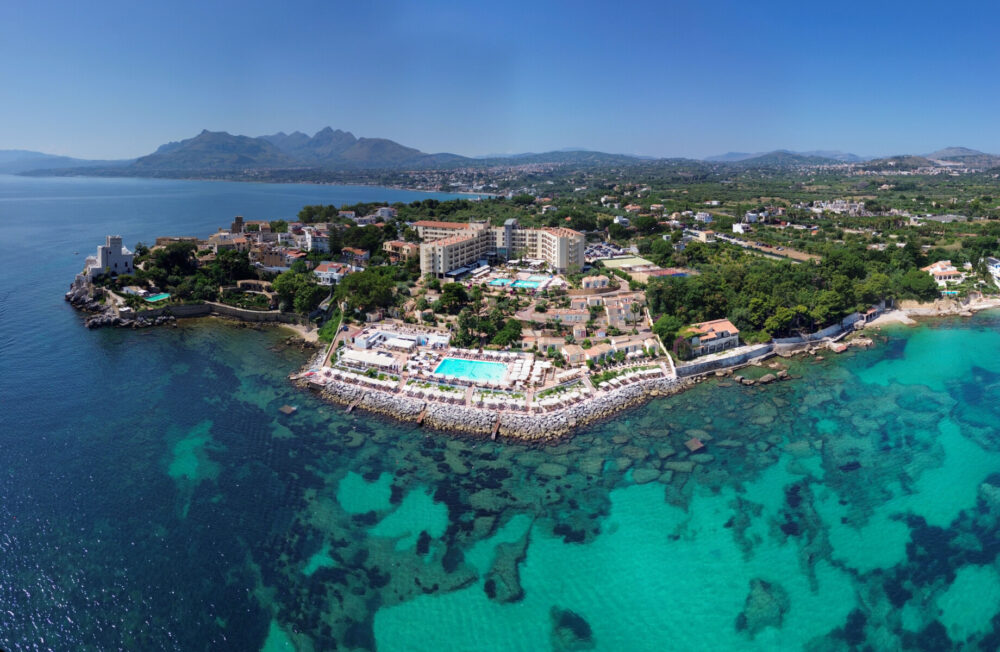
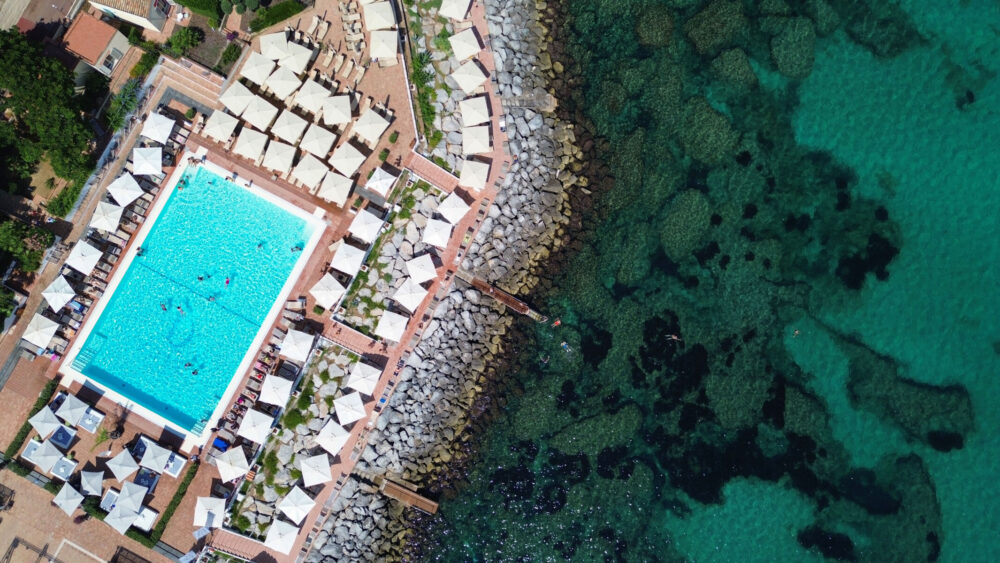
Staying at a hotel by the sea in Santa Flavia lets you discover Palermo and its historic markets while enjoying the perfect balance between relaxation and Mediterranean culture. Let yourself be won over by the city’s vitality and treat yourself to an authentic experience by choosing Domina, the ideal choice for anyone seeking exclusive comfort with the beauty of Sicily close at hand.